# The Hype and Reality of GPT-6 Astra in Game Development
The recent debut of GPT-6 Astra from OpenAI has sparked the usual hype cycle commonly linked to the launch of new AI models. The model’s launch was accompanied by an expected announcement video and a quick deployment, igniting excitement among technology aficionados. However, this fervor often masks the true implications of such advancements. Astra’s most remarkable feature is its capability to control a user’s computer and manipulate software commonly used in 3D game development, such as Blender. This power has led many to claim that Astra could transform the gaming industry, enabling users to produce original games without any human intervention.
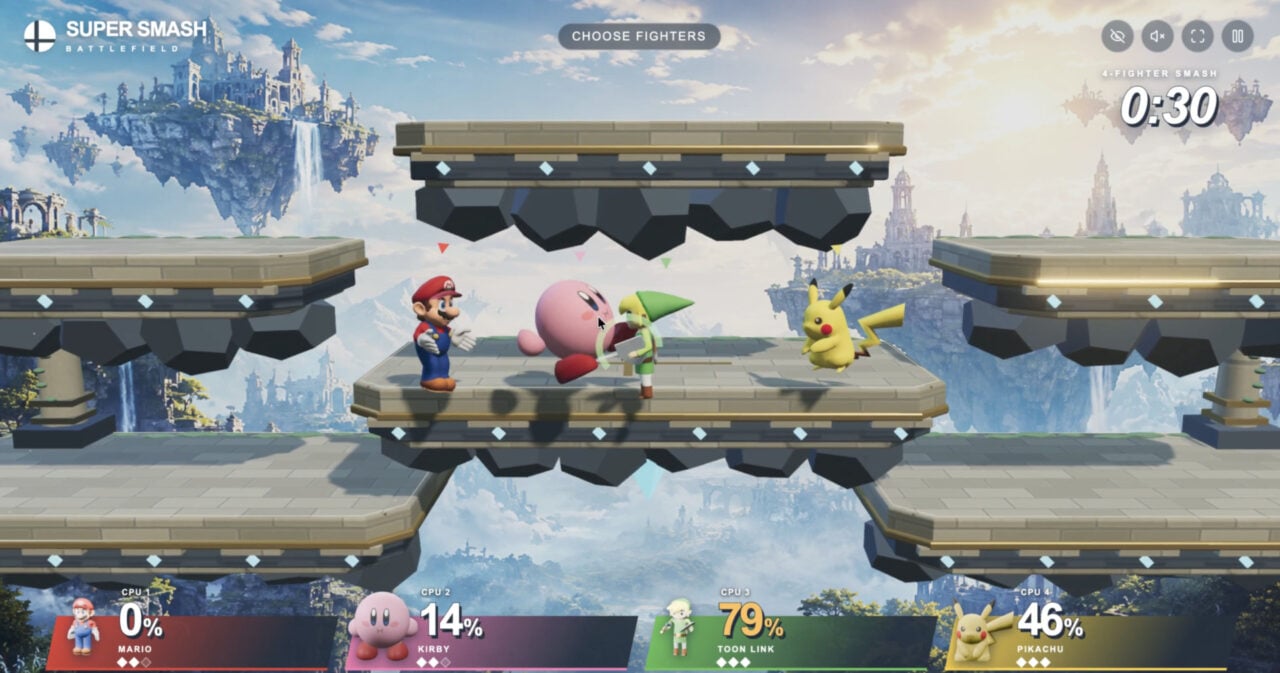
Nonetheless, initial testers of GPT-6 Astra have primarily demonstrated its ability by reproducing existing games rather than producing genuinely innovative works. A sample of these demonstrations includes efforts to replicate well-known games like *Super Smash Bros.* and *Contra*, although these reproductions fall short in various facets, including gameplay and graphical quality. Critics have noted that the reimagined games frequently lack the appeal and functionality of their original versions, resembling subpar replicas instead of revolutionary new releases.
### The Paradox of AI Game Creation
Following a trend seen in previous AI developments, assertions that GPT-6 Astra could rapidly produce entirely new gaming experiences rapidly became exaggerated. Testers revealed that it could replicate games at a minimal computational cost, with reports suggesting it required about $10 worth of processing power to imitate popular titles. While this may appear groundbreaking, the outcomes were often disappointing. For instance, testers reported a *Sonic the Hedgehog* remake that lacked color and speed, while another user created a version of *The Simpsons: Hit and Run* that did not include fundamental gameplay mechanics.
This situation raises questions about the essence of creativity and originality in AI projects. Instead of generating unique ideas, Astra’s outputs often repurpose existing intellectual property with clear shortcomings. The games produced through Astra’s manipulation do not possess the intricate design and refined mechanics customarily developed by human creators.
### AI’s Impact on Game Development Costs and Quality
Although Astra offers an apparently accessible pathway for aspiring game developers to produce imitations of cherished titles, the quality and originality of these outputs prompt legitimate concerns. There exists a significant distinction between employing AI to duplicate existing games and crafting new, engaging experiences that push the gaming medium forward. Furthermore, the rising demand for AI technologies has concurrently driven up the cost of essential computing components necessary for rendering such projects, resulting in increased prices for the consoles that would run these games.
The recent emergence of other AI-driven initiatives like NVIDIA’s DLSS 5 presents another perspective on how AI endeavors to shape gaming. Reports indicate that DLSS 5 has negatively affected player experience, resulting in substantial frame rate drops and distorted visuals, complicating the discussion surrounding AI-enhanced gaming.
### Conclusion
In the aftermath of GPT-6 Astra’s release, the enthusiasm surrounding AI’s capacity to revolutionize game development is evident. Nevertheless, the reality of these tools may not meet the heightened expectations. Astra’s emphasis on replicating existing games, often with inferior quality, highlights the crucial significance of human creativity and the intricate interrelationship of design elements that culminate in successful gaming experiences. As the dialogue about AI in gaming progresses, a more refined comprehension of these technologies and their implications will be vital for shaping the future of game development.