### Unveiling the Creation of Zach Cregger’s “Resident Evil”: The Motion of the Merged Monster
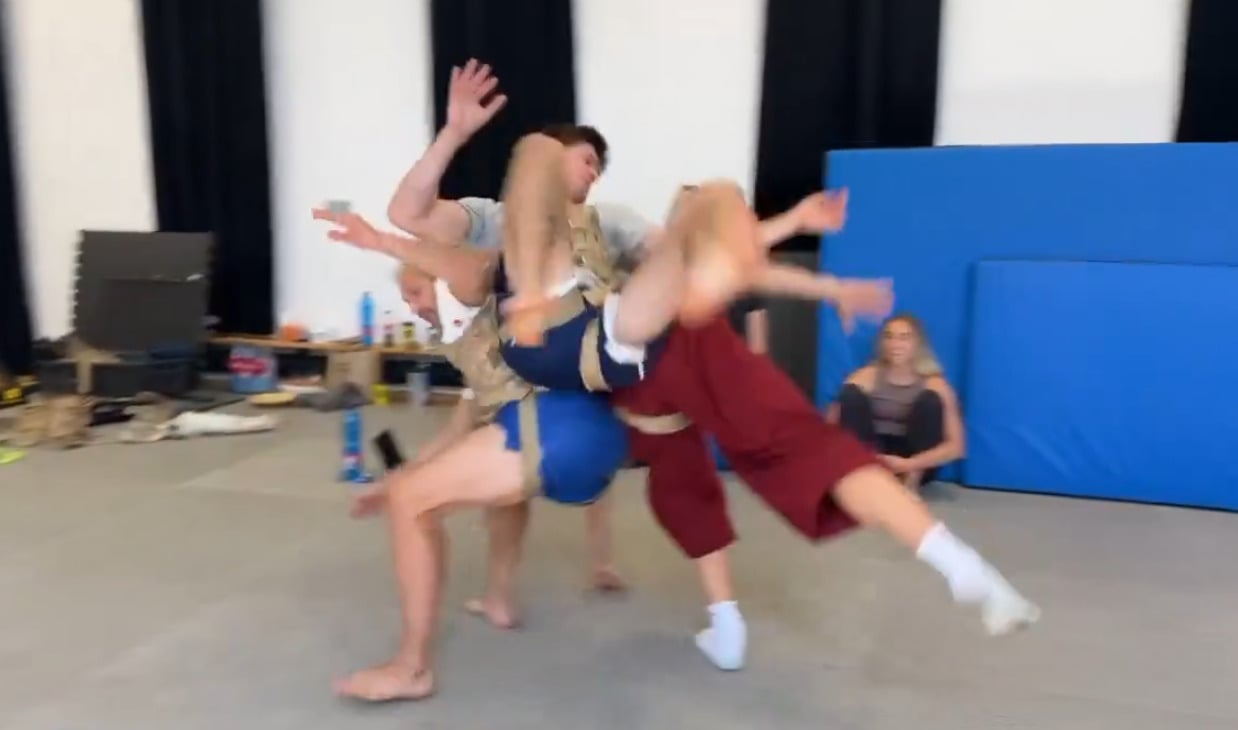
As the excitement dissipates following the unprecedented opening weekend of Zach Cregger’s cinematic version of *Resident Evil*, the film’s creative team is shedding light on the detailed efforts that went into designing its standout monster. Notably, choreographer Jakub Hudlický shared exclusive behind-the-scenes content that highlights the choreography and physical dynamics that brought the film’s distinctive creature to life.
Upon the film’s debut, Hudlický conveyed his enthusiasm through social media, discussing his responsibilities as the Movement Coordinator, where he teamed up with actors to tackle a vital question: “How can the Merged Monster moooove?” This question was crucial, as the creature, characterized by Cregger as the “human tumbleweed” and described by fans as “that Katamari Damacy thing,” is a hideous collage of disparate human limbs. The uniqueness of the Merged Monster’s movements played a significant role in establishing a spine-chilling ambiance within the film.
In a remarkable show of innovation, a team of experts was trained to embody this peculiar hybrid, employing harnesses to emulate the disconcerting connection of body parts. Performers executed intricate movements such as bouncing and rolling, granting the creature a life-like presence on screen. While the foundation for the Merged Monster was established through these physical performances, the final realization of this character necessitated CGI enhancements to effectively portray the creature’s extraterrestrial traits.
Cregger initially aimed for a more live-action technique, striving to utilize the skills of Cirque du Soleil performers. He organized a test where five individuals were bound together, investigating the possibilities of achieving a continuous cartwheel featuring inverted movements. However, Cregger conceded that this approach did not produce the desired agility and resulted in visible heads, which detracted from the intended horror impact. Ultimately, the film depended on a blend of practical effects and computer-generated imagery to create a more seamless and disturbing entity.
Despite varied responses from *Resident Evil* fans concerning Cregger’s divergence from aspects of the original material, the film showcased an array of mutants inspired by the iconic features of Capcom’s gaming series. The Merged Monster, with its disquieting and grotesque design, emerged as a symbol of the ingenuity that drives horror cinema.
As fans continue to reflect on the film and its surprising interpretations of the cherished franchise, the collaborative efforts and inventive approach to character motion remind viewers of the complex artistry inherent in contemporary filmmaking. Hudlický’s behind-the-scenes footage acts as both a tribute to movement and a fascination with the bounds of human expression when confronted with the eerie. As discussions persist, the Merged Monster may remain a pivotal figure in the *Resident Evil* legacy, fusing horror with unconventional performance art.