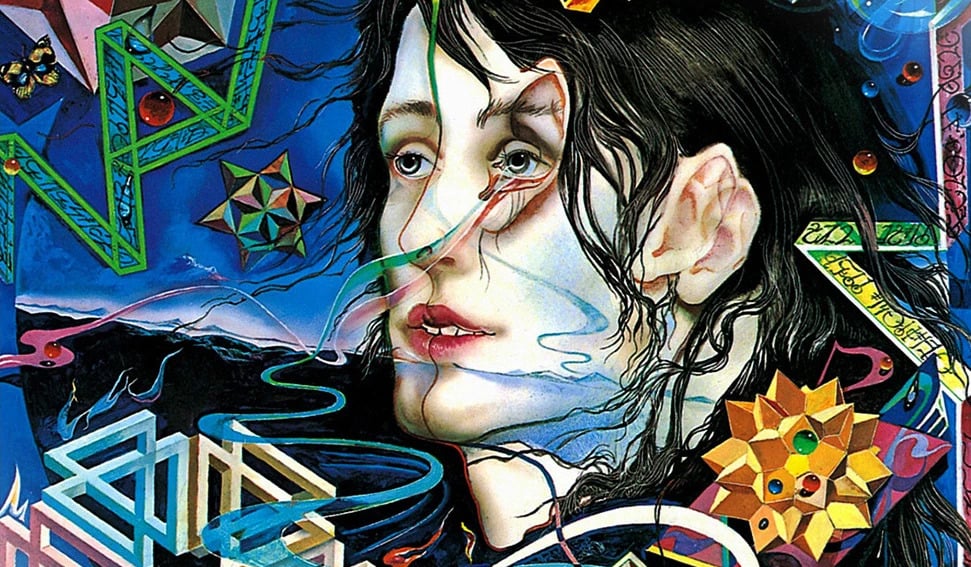
**The Lasting Influence of Todd Rundgren: A Contemplation on Music, Current Trends, and Video Games**
Todd Rundgren, a pivotal artist, producer, and one of the early glam rockers, has played a crucial role in the music scene since the early 1970s. Celebrated for his creative take on music, Rundgren has not only amassed a considerable collection of cult favorites but has also produced significant albums for a range of legendary artists, including XTC, Patti Smith, Hall and Oates, and most notably, Meat Loaf’s *Bat Out of Hell*, which remains among the best-selling albums ever.
In a recent discussion with Vulture, Rundgren expressed his views on today’s music landscape, particularly highlighting the rise of female musicians and the perceived downturn in rock music. He links notable shifts in music consumption to the growing popularity of video games, suggesting that male audiences redirected their spending from music to gaming in the 1990s. “The biggest artists in the world are female artists at this point, and that’s because of video games,” Rundgren remarked, indicating that the cultural appeal of gaming has drawn young men away from music.
The ’90s experienced a significant transformation in the music environment, which had previously been led by grunge and rock bands such as Nirvana and Pearl Jam, ultimately giving rise to boy bands and pop sensations, including *NSync and the Spice Girls*. This evolution raises questions about the long-lasting implications of entertainment choices on musical styles and artist eminence.
Despite his critical stance towards modern trends, Rundgren expresses a certain admiration for pop artists, mentioning Lady Gaga as a noteworthy exception. Nonetheless, he voiced disapproval of artists like Taylor Swift, suggesting that her absence of conventional musical skill has contributed to a uniform music scene. His critique emphasizes a wider concern regarding the progression of artistry in a time increasingly shaped by consumer behaviors and digital entertainment.
Rundgren’s viewpoint ignites important discussions about the intersection of gaming and music. While his remarks may reflect a somewhat outdated perception of gender roles in gaming—where marketing primarily targeted boys in the ’90s—it is vital to acknowledge that the environment has significantly transformed. Games like *Pokémon* and *The Sims* have defied previous stereotypes, showcasing that gaming appeals broadly across genders and demographics. Additionally, many current artists openly embrace their love for gaming, revealing a growing synergy between music and video game culture.
As the music industry struggles to define itself in a digital era, the decline of traditional rock genres continuously stirs discussions about what the future may entail. Rundgren’s reflections serve as a reminder of the intricacies within the music landscape, where influences extend beyond mere instruments and lyrics to encompass wider cultural phenomena such as video gaming.
In conclusion, Todd Rundgren’s journey symbolizes the adaptable nature of music and its relationship to societal changes. While he might lament the former glories of rock music, his insights provide valuable commentary on the present scene, inviting both fans and musicians to reevaluate the connection between music, popular culture, and the shifting entertainment platforms that shape our experiences.