**Establishing Order Amidst Turmoil: The Tactical Authenticity of *Ready or Not***
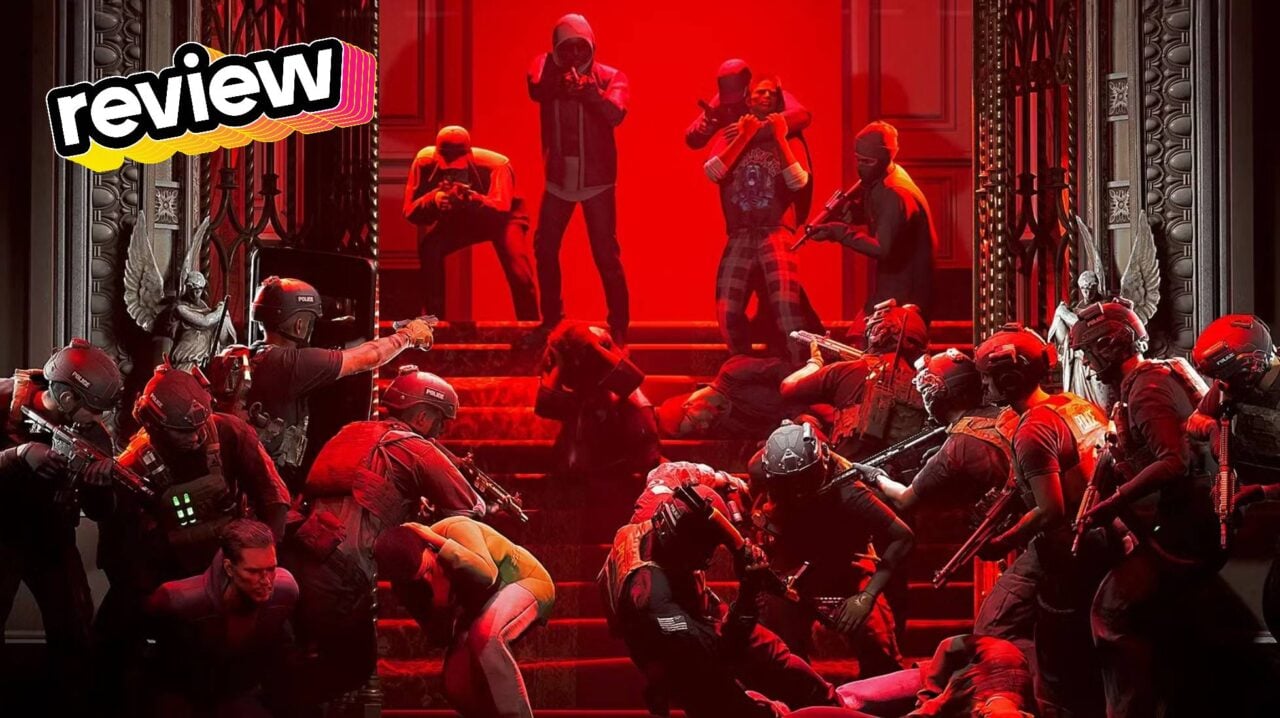
*Ready or Not*, a tactical shooter crafted by VOID Interactive, situates players as commanders leading a four-member SWAT team through challenging and chaotic scenarios in the fictional city of Los Suenõs, California. The game is inspired by real-life incidents and tragedies, exploring themes of violence and law enforcement within a meticulously crafted setting.
In *Ready or Not*, participants are immersed in the high-pressure situations that characterize contemporary policing. Each mission presents players with moral and tactical quandaries, requiring swift decision-making as they navigate through scenarios reminiscent of notable tragedies, such as school shootings and mass violence events. The developers aim to foster empathy and a comprehension of the physical and psychological burdens that law enforcement officers endure while ensuring public safety.
To restore order in the midst of chaos, players give commands, employing non-lethal methods to incapacitate suspects and safeguard civilians. The game highlights tactical strategies, rewarding players for exercising restraint and strategic thought. However, it also recognizes the disorderly nature of these encounters—failure to achieve compliance can swiftly escalate crises beyond management.
The history of SWAT teams is crucial for grasping the gameplay mechanics in *Ready or Not*. The inception of SWAT can be traced to the civil disturbances of the 1965 Watts riots, which highlighted the shortcomings of conventional policing methods. LAPD Chief Daryl Gates was instrumental in forming the specialized unit in response to such upheavals, transforming the landscape of American law enforcement towards militarization. This backdrop informs the narrative of *Ready or Not*, showcasing the transition of police tactics from community-focused methods to assertive interventions.
The game draws similarities with earlier titles, particularly Sierra’s *Police Quest* series and the classic *SWAT 4* from 2005. VOID Interactive’s development team features modders from *SWAT 4*, preserving a link to the heritage of tactical shooters that compel players to think quickly and evaluate violence from various angles.
*Ready or Not* effectively ignites discussions around controversial subjects. The game navigates delicate narratives, depicting scenarios that elicit both empathy and discomfort. By representing criminals and victims from diverse backgrounds, it challenges players to face intricate social realities, including poverty, desperation, and violence.
The narrative structure of *Ready or Not* is non-linear, presenting a variety of mission scenarios that cover an array of situational challenges, from drug trafficking organizations to secluded cults. Each mission introduces distinct challenges, compelling players to modify tactics based on the environment and developing events. The lack of a fixed storyline contributes to unpredictability, mirroring the chaotic essence of real-world policing.
Ian Bogost’s notion of “persuasive games” resonates with *Ready or Not*, as the game encourages players to engage with significant social issues while fulfilling their roles as law enforcers. However, the game’s capacity to evoke empathy is intricate and complicated; it simultaneously romanticizes the legend of the heroic officer and places players in ethically questionable circumstances.
As players delve into the stark realities of law enforcement, the game provokes potent emotional reactions, rendering the experience deeply engaging yet ethically ambiguous. The design and mechanics seek to heighten the urgency of decision-making under high-stakes pressure, immersing players in the challenges confronted by those on the policing frontline.
In summary, *Ready or Not* utilizes its identity as a tactical shooter not merely for entertainment but also to stimulate contemplation about the realities of policing in modern America. Through a combination of immersive gameplay and thought-provoking themes, the title encapsulates the proverbial struggle to “establish order amidst turmoil,” urging players to ponder the intricacies of violence, authority, and ethical decision-making in a chaotic world.