**The Surge of Game Demos: Navigating the New Landscape of the Gaming Industry**
The gaming sector is presently witnessing an extraordinary rise in game demos, demonstrated by the astounding 8,011 titles showcased in the most recent Steam Next Fest press preview. This event has doubled its demo figures since June 2026, marking a considerable increase from just over a thousand demos four years prior. While this growth may appear to be a positive development for gaming fans, it reveals a troubling trend prioritizing quantity over quality, with numerous demos offering minimal substance.
The wave of demos can be linked to advancements such as Anthropic’s 5.5 update to its Claude Opus model. This technological breakthrough has transformed “vibe coding,” allowing creators to rapidly generate game clones and mash-ups, often compromising originality and quality. The resulting ease of decompiling and cloning pre-existing games has expedited the production of derivative works that might lack depth and creativity.
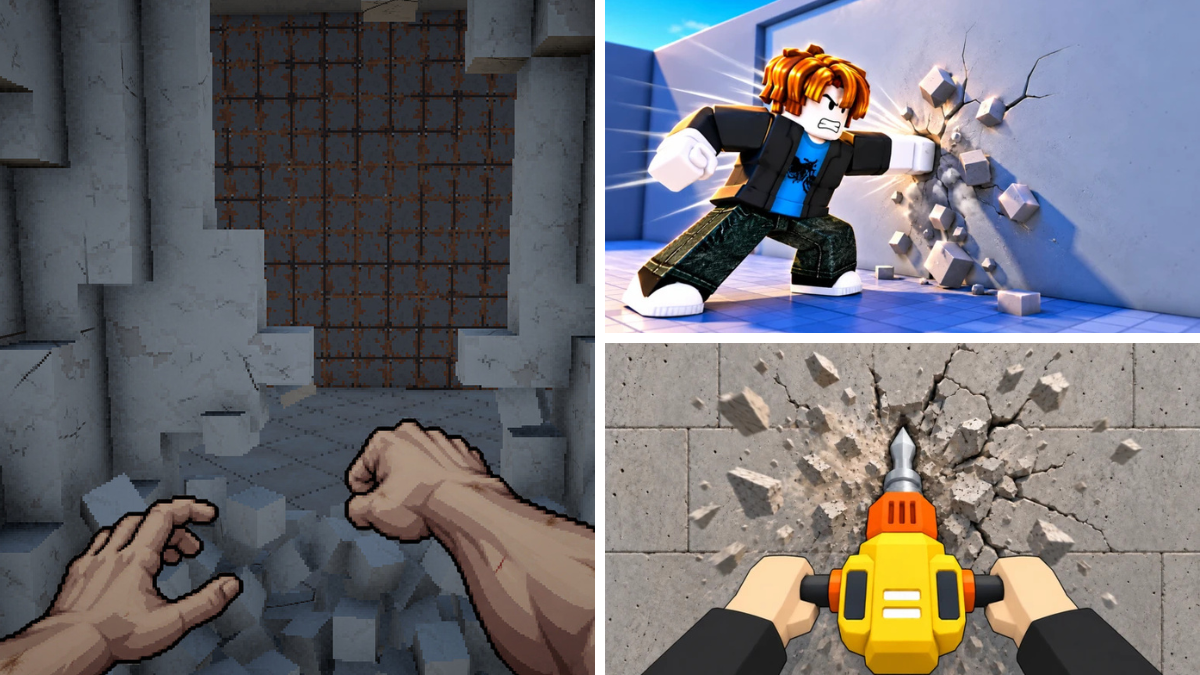
This trend is not confined to indie developers. Even games like “Escape the Walls” are susceptible to this rapid replication, as seen by countless replicas surfacing on platforms like Roblox within hours. This scenario is further aggravated by the simplicity with which competing studios can imitate and publish clones, sometimes publicly declaring these endeavors to original creators.
With developers acknowledging the hostile landscape, some have opted to retract game demos, concerned that their innovative elements could be swiftly duplicated by AI-supported rivals. For example, the creators of “Drunken Goddess Reflux” decided against releasing a demo to avert possible cloning.
NoGlyph’s situation with “Needle In A Haystack” illustrates the difficulties developers encounter with unauthorized duplication. The blatant replication of code by another studio highlights how easily cloning can transpire, regardless of measures taken to safeguard intellectual property.
This flood of quick-turnaround, cloned content raises questions about the merits of democratizing game development through AI. While AI can potentially reduce barriers for aspiring developers, its improper use in creating ephemeral knock-offs undermines the industry. It sparks concerns about the shrinking space for creativity and originality, as the market becomes inundated with low-effort imitators.
The future of gaming relies on finding a balance between the opportunities offered by AI and preserving the integrity and creativity that characterize the industry’s most successful and cherished titles. As Steam’s discoverability algorithms continue to sift through the noise, ensuring the durability of authentic, innovative games remains essential, even in this age of overwhelming options.