Uncategorized

Valve Clarifies That No Steam Machine Exclusives Will Be Available After Speculation Regarding Half-Life 3

Valve has made it evident that it has no plans to create games that are exclusive to the Steam Machine, despite inquiries about whether the company would produce a tie-in title to enhance interest in the platform. Valve engineer Pierre-Loup Griffais mentioned that the company views “having the entire PC catalog as our ‘launch exclusive.’” This suggests a commitment to supporting a wide array of titles across all PCs, rather than confining access to particular hardware.

Historically, Valve has not produced exclusive titles, adhering instead to its enduring support for open systems and third-party access. This philosophy extends to its support for Linux as a core operating system, as well as the creation of games like *Half-Life: Alyx*, which operates on various VR headsets, highlighting their focus on compatibility.

The nature of the Steam Machine complicates the idea of exclusivity. Designed as an open system, Steam Machine owners have the liberty to install any operating system, including Windows, which restricts the practicality of exclusive titles. Games sold via Steam can be played on any PC that supports the platform, thereby rendering the notion of an “exclusive” to the Steam Machine somewhat moot. If Valve were to launch a game, such as the much-anticipated *Half-Life 3*, it would almost certainly be available through Steam, but not on competing platforms like GOG or the Epic Games Store.

In conclusion, Valve’s commitment to a non-exclusive approach reflects its core principles and addresses the challenges inherent in a Linux-driven open gaming ecosystem. The vision is not to limit gameplay to a single platform but to guarantee that a diverse range of titles remains accessible to the widest audience possible.

Uncategorized

Public Response to the Initial Avengers: Doomsday Trailer Underscores Absence of Story Development

**Avengers: Doomsday Trailer Reaction: A Mix of Feelings**

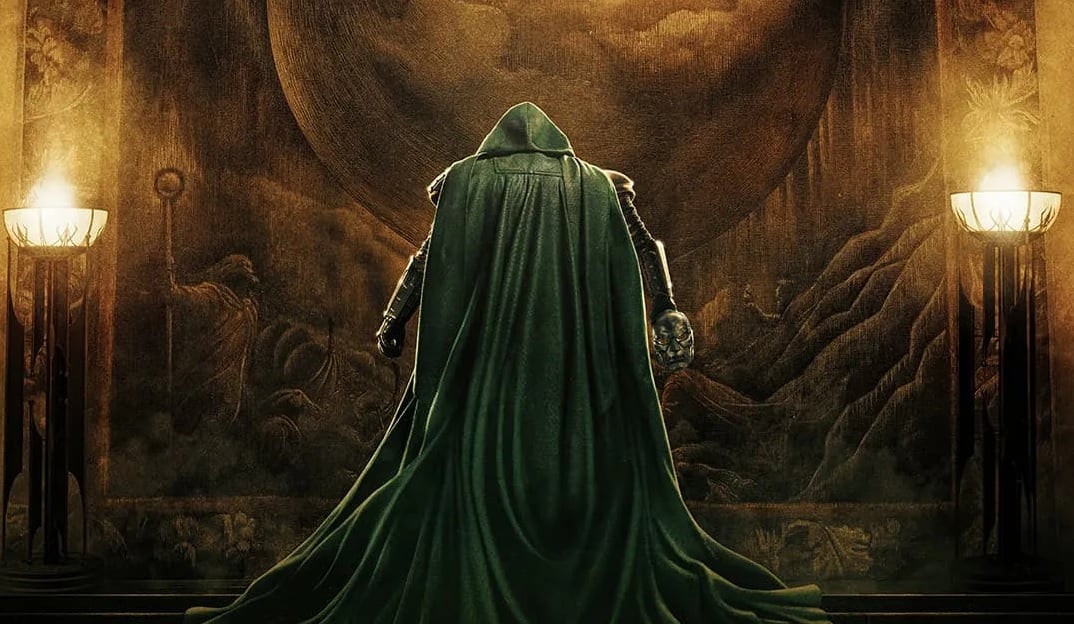
The first genuine glimpse of *Avengers: Doomsday* has finally come, yet the trailer’s reception isn’t as enthusiastic as Marvel Studios may have desired. Numerous fans are articulating feelings of discontent, having difficulty sensing any intense emotions after observing the stakes introduced by Robert Downey Jr.’s Doctor Doom and Chris Hemsworth’s Thor in this latest addition to the Marvel Cinematic Universe (MCU).

It has been a lengthy eight years since the groundbreaking *Avengers: Infinity War* captivated audiences, and the lack of clarity within the current MCU landscape is evident. Viewers who haven’t stayed updated with the array of films and streaming series released since might find themselves confused by the swift pace and tangled storylines showcased in the *Doomsday* trailer. The opening moments propel into a flurry of frenzied action scenes, seemingly void of any foundational buildup or grounded narrative. Rather, it seems like the ending of a trilogy that was never properly laid out, leaving numerous fans longing for a more unified story.

Online feedback has been decidedly varied, reflecting a spectrum of emotions. One user shared their unease by saying, “Guys…. Am I the only one who thinks that the Avengers: Doomsday trailer was utterly disappointing? It felt so strangely edited and lacking.” This feeling resonates across various social media channels, where fans unfavorably compare the *Doomsday* trailer to the early teasers of *Infinity War*, which successfully built excitement and anticipation.

Another critique highlighted the technical features of the trailer, with one viewer remarking that the action sequences appeared almost computer-generated, suggesting a disconnect between what was happening on screen and the sentiments they were intended to invoke. This feeling serves as a reminder of the ongoing debates regarding CGI and the reliance on technology versus practical effects in today’s blockbuster filmmaking.

Fans pointed out the trailer’s absence of clear motivations or direction, remarking, “It’s literally just Things Happening with no buildup,” which underscores the chaotic nature of the footage. The lack of impactful moments leaves many feeling that the film may not provide the emotional stakes viewers desire, hoping instead to rekindle the thrill experienced during earlier MCU phases.

Some fans conveyed nostalgia, yearning for the coherence present in past *Avengers* films. There’s a prevailing wish for the franchise to reclaim its past splendor, especially considering several lackluster spin-offs and mixed-quality shows released over recent years.

Looking ahead, many harbor hopes that *Doomsday* could serve as a launching point for revitalizing the X-Men franchise, offering potential for fresh storylines and character developments. However, as the countdown to the film’s December debut begins, substantial work remains regarding marketing and audience engagement.

With five months remaining until the movie premieres in theaters, Marvel Studios has a critical chance to refine their promotional strategy. Addressing the evident concerns raised by fans and ensuring the subsequent trailer more accurately encapsulates the essence and excitement of the *Avengers* saga could be crucial in reigniting interest and building anticipation for what is hoped to be an exhilarating cinematic experience.

Uncategorized

Concerns Emerge Regarding Battlefield 6’s Encouraging But Possibly Curiosity-Fueled Most Extensive Map

The excitement surrounding the Tsuru Reef map in Battlefield 6 – set to launch tomorrow alongside Season 4 – is tangible among both fans and newcomers. As the game’s largest map yet, Tsuru Reef promises a vast landscape reminiscent of a selection on a restaurant’s menu, with its allure remaining even if it’s not frequently chosen. Its distinctive features enhance BF6’s roster as a strategic contribution.

At a preview event, players took part in three hours of gripping gameplay, traversing the extensive area of nine capture points and experiencing innovative gameplay mechanics, including naval battles. While its scale is immediately striking, concerns emerge about whether such a vast space might compromise the focused skirmishes characteristic of Battlefield. Nevertheless, the studio’s commitment substantiates its aspirations leading up to launch.

Initially, BF6’s selection of maps was tailored for a specific experience, emphasizing close-quarters combat with some vehicle interactions. As the game progressed, the necessity for larger maps became clear, leading to the creation of Tsuru Reef, a developmental landmark aimed at transforming multiplayer gameplay.

Tsuru Reef emerges as a symbol of Battlefield’s multiplayer charm, showcasing its capacity to effectively incorporate ground, air, and naval combat without limiting gameplay variety. A broad vehicle assortment enhances the experience, with vehicles becoming accessible as players secure key locations.

The map’s vastness recalls the straightforward, dynamic gameplay of previous Battlefield games, presenting numerous strategic options. Players observe squads gravitating towards familiar tactics, with vehicles holding strategic positions, snipers utilizing the rugged terrain, and some teams concentrating on capture points that align with their play styles.

Aerial and naval confrontations flourish here, with aviation taking a prominent role due to the generous space permitting strategic movements. The extensive air combat complements ground objectives, while transport helicopters are vital given the map’s vastness. The naval interactions benefit from synchronized server wave physics, enhancing realism and tactical complexity, though their novelty may diminish over time.

The distinct designs of capture points allow for indirect naval engagement by integrating certain areas into water zones, although some players believe it creates unnecessary roles for naval forces. Attack boats typically maintain a distance, favoring precise strikes from afar, often utilizing boat-mounted mortars to disrupt ground maneuvers until negated by enemy aircraft.

Infantry gameplay receives enhancement from recent updates that compel players to exercise caution with their shots, increasing tension while crossing wide distances. Yet, the core infantry experience closely mirrors existing gameplay, with environments designed for all play styles, prompting some players to depend on armored vehicles for broader interaction with the map.

New weapons, such as the Bren 3 Carbine, are gaining traction despite questions regarding their optimal application across different map environments. The VSSM offers an appealing choice with its expensive full-auto modification, promising excitement for players in search of fresh tactical advantages.

In the end, Tsuru Reef excels in unifying various combat experiences within a single extensive arena, delivering thrilling instances of aerial, naval, and ground warfare convergence. Despite its excitement, players may find themselves returning to their preferred maps after indulging in Tsuru Reef’s distinctive offerings.

Uncategorized

The Evolution of Retro Studios: A Chronology of Developments

## The Transformation of Video Game Studios: An In-Depth Look at Identity and Transition

In recent times, the video game sector has experienced a surge of widespread layoffs, prompting a reevaluation of the essence of being a video game studio. As studios shut down, reorganize, or alter their workforce, we confront significant inquiries regarding identity, continuity, and the fundamental nature of the creative process in a medium that is innately collaborative.

### Characterizing a Video Game Studio

A video game studio functions as a collective of individuals, each contributing their distinct skills and viewpoints toward the development of a game. Unlike other media forms, such as literature or music—where authorship typically remains stable—video game creation often involves various teams and individuals throughout projects. The brand linked to a studio might convey a sense of prestige or anticipation, yet the personnel associated with the name can fluctuate markedly over time.

### The Assumptions We Hold

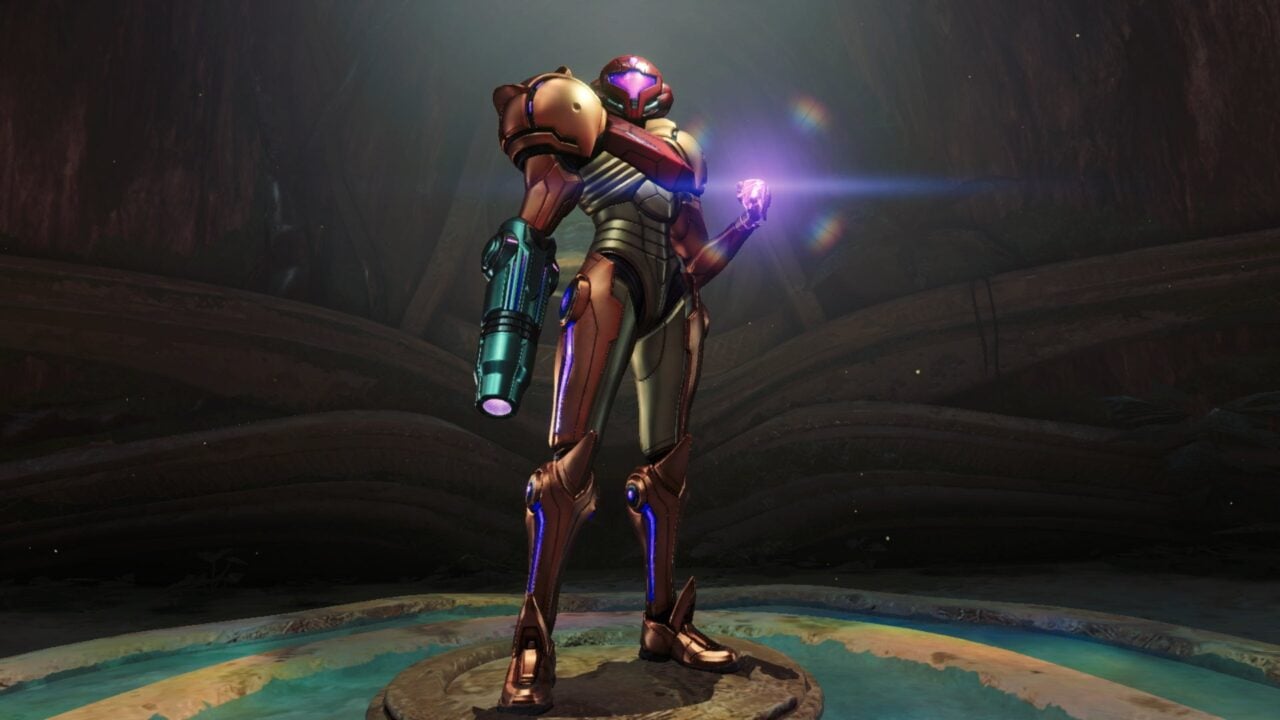
When conversing about video game studios, particularly established names like Retro Studios, there’s a tendency among the gaming community to presume continuity. For instance, when Retro Studios was designated as the developer for *Metroid Prime 4*, many fans anticipated the quality linked to their prior title, *Donkey Kong Country: Tropical Freeze*. This enthusiasm, however, overlooks the reality that staff transitions are an ordinary aspect of the industry.

### Staff Changes: An Examination

To grasp turnover, consider the staffing alterations between *Tropical Freeze* and *Metroid Prime 4*. Drawing on data from Mobygames, a thorough investigation of credited individuals revealed notable shifts. Out of 349 individuals credited in both games, merely 60 participated in both projects. Retro Studios experienced the departure of 42 individuals and a remarkable influx of 247 new staff for *Metroid Prime 4*. This results in a workforce increase from approximately 102 to over 307, indicating a move toward a larger, more contractor-driven workforce.

The turnover trends suggest that while certain departments like engineering maintained staffing continuity, others like art displayed significant variability. For instance, the concept art team expanded dramatically, indicating a clear distinction in staffing strategies as the studio enlarged its project scope.

### Contractor Dynamics

A key insight from this review is Retro Studios’ increasing dependence on contract labor. *Metroid Prime 4* not only engaged a larger pool of workers but also created numerous specialized contractual positions. While *Tropical Freeze* relied more on full-time employees, *Metroid Prime 4* highlighted a varied team primarily consisting of contractors. This mirrors broader industry practices where companies pursue flexibility and specialized skills over conventional employment structures, resulting in dynamic yet potentially precarious workforce environments.

### Leadership and Cultural Shifts

In addition to personnel changes, alterations in studio leadership occurred between the two games. Prominent individuals advanced within the studio while others left, hinting at a reconfiguration of team dynamics and creative vision. The core of a studio can transform with leadership changes, affecting how projects are approached and implemented.

### The Identity Query

As we reflect on whether Retro Studios, as it stands today, is the same entity that created *Tropical Freeze*, we face a philosophical dilemma similar to the Ship of Theseus. Is a studio characterized by its original team or by its name and historical output? It becomes evident that change is both unavoidable and essential to the creative process.

While clear answers about when a studio stops being itself may elude us, increased turnover and restructuring—as observed in scenarios of mass layoffs—represent pivotal moments that can redefine a studio’s identity. The community’s emotional connection to a studio’s legacy complicates this narrative; we often romanticize the names and past achievements, frequently overlooking the fact that the creativity behind them is human, fluid, and susceptible to change.

### Final Thoughts

In summary, the transformation of a video game studio encapsulates the intricacies of collective creative efforts. It emphasizes the notion that video games are not simply the result of individual vision but are the outcomes of collaborative activities that can shift and develop over time. Acknowledging these transformations is vital as we celebrate the lasting legacy of studios while also recognizing the dynamic nature of the people who bring our cherished games to fruition. As we look to the future, it is essential to honor both the names tied to our favorite titles and the constantly evolving teams that propel the industry forward.

Uncategorized

League of Legends Classic Provides Complimentary Skins After Major Fan Backlash

Riot Games has formally revealed that the initial skins of the 60 champions in *League of Legends Classic*, scheduled to debut on July 29, will be accessible for free at launch. This move follows considerable backlash from the gaming community, which criticized the firm for its original intention to charge players for “classic” skins in the new mode.

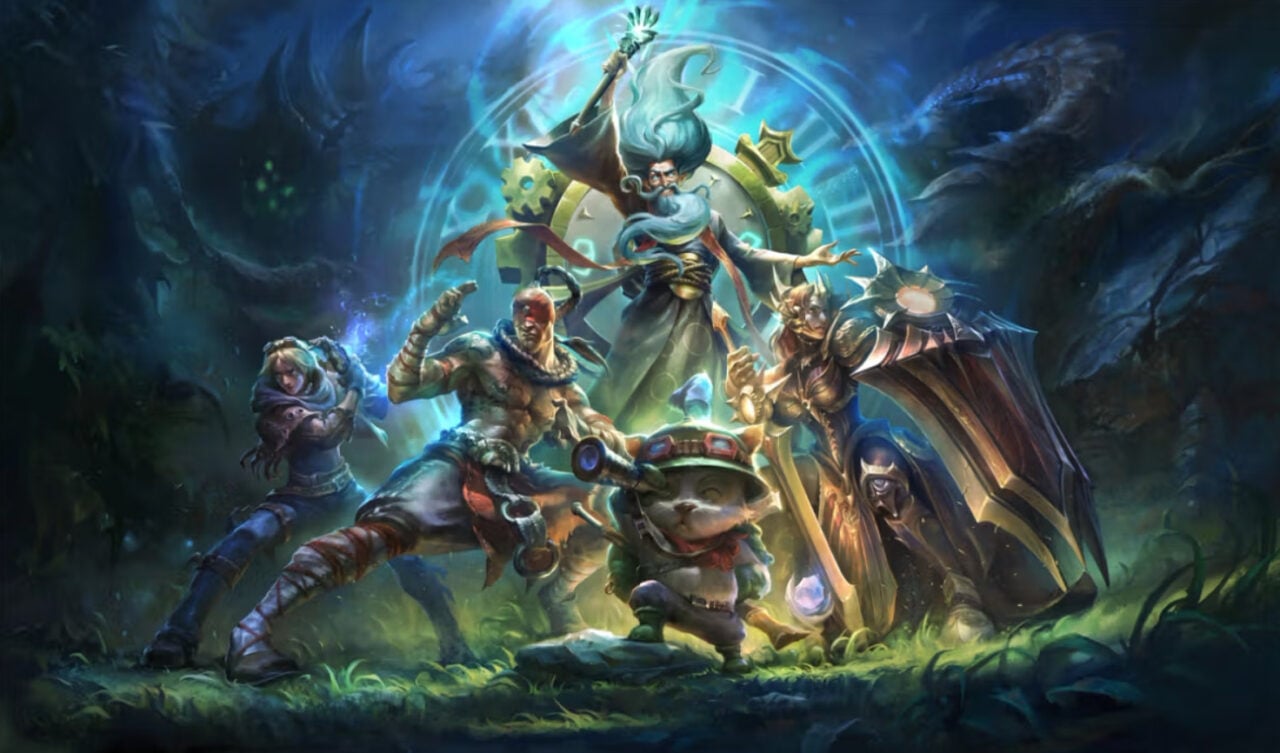
*League of Legends Classic*, which seeks to bring back the game’s essence, includes only the original 60 champions, playable in their pre-2013 forms. The public beta for *League of Legends Classic* commenced on July 14, during which players expressed concerns over monetization tactics. At first, players could only unlock modern skins instead of the original ones, causing dissatisfaction among fans who believed this method detracted from the nostalgic experience the mode was intended to provide.

As noted by *PC Gamer*, the default skins offered during the beta were not the cherished original skins, leading to disappointment among users. Riot Games had planned for the classic skins to be a part of their monetization approach; however, only four classic skins were free, and the rest could either be unlocked by grinding through a battle pass or purchased with Riot Points, which would require players to spend a substantial amount—over $250 for all available skins.

The community’s outcry found its way to platforms like Reddit, where numerous users condemned the decision as avaricious. In reaction, Riot Games’ R&D Director, Brian ‘FeralPony’ Feeney, recognized the feedback and promised players that the team would respond to the issues raised. On July 17, Riot Games released a video on their official X account affirming that all original skins in *League of Legends Classic* would now be available for free, effectively retracting their earlier policy.

This choice to offer free access to classic skins signifies a considerable change in Riot Games’ strategy, reflecting a wider industry trend where companies are re-assessing microtransaction policies in response to community concerns. Recent comparable instances, such as EA’s elimination of microtransactions in *College Football 27*, indicate that player feedback is increasingly shaping gaming companies’ approaches, fostering an environment where community issues can lead to advantageous modifications for gamers.

Uncategorized

Marvel Executive Accepts Accountability for Mahershala Ali’s Blade Postponements

# The Unfolding Chronicles of Marvel’s *Blade*: An In-Depth Exploration of Development Hell

The excitement for Marvel Cinematic Universe (MCU) endeavors continues to soar, particularly after the recent unveiling of the trailer for *Avengers Doomsday*. While numerous legendary characters are returning, a significant absence is Blade, the legendary vampire slayer whose solo film has lingered in development purgatory for more than seven years. This extended wait has caused irritation for both fans and industry veterans, prompting fascinating commentary from Marvel’s president, Kevin Feige.

## Kevin Feige’s Enigmatic Comments

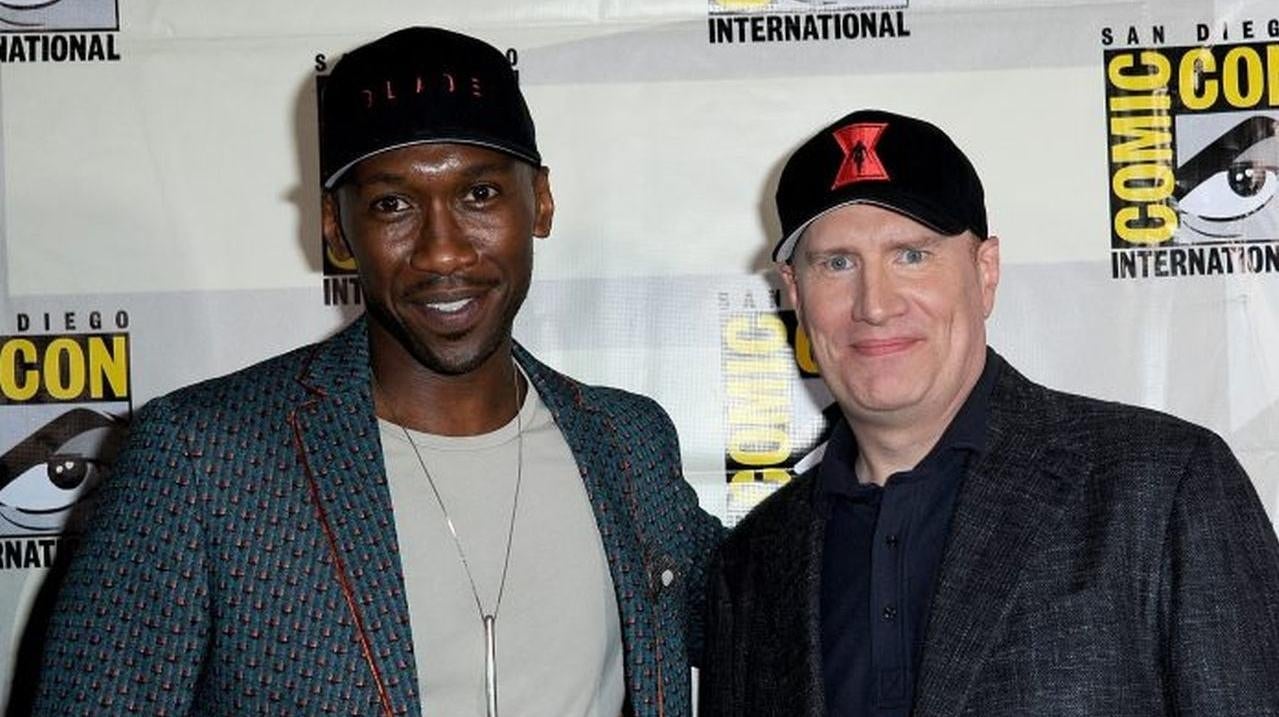
In a recent conversation with Josh Horowitz on the podcast *Happy Sad Confused*, Feige conveyed both enthusiasm and a sense of awkwardness about the stalled endeavor. When questioned about the “poor, poor project” of *Blade*, he hinted that the discussion could benefit from a “therapy session.” His openness was refreshing, as he recognized feelings of dissatisfaction in not bringing the film to fruition, particularly after the 2019 announcement that Mahershala Ali would be taking on the role.

Feige emphasized two key points: the return of Wesley Snipes, who infamously played Blade in the 1998 flick, in the forthcoming *Deadpool & Wolverine*, and his sentiments of inadequacy concerning the *Blade* reboot. Snipes’ cameo has reignited enthusiasm for the character, yet it simultaneously overshadows the standalone film that remains ensnared in multiple phases of pre-production.

## The Challenges of *Blade*’s Development

Since Marvel’s declaration in 2019, the revival of *Blade* has encountered a myriad of obstacles. The film has faced several director shifts, script alterations, and, as reported recently, was entirely excluded from Disney’s release calendar for October 2024. Ali’s fleeting voice cameo as Blade in *Eternals* demonstrated his involvement but also underscored the stagnation of the project itself.

In a prior interview, actress Mia Goth spoke of her ongoing connection to the film as Lilith, injecting a spark of hope into a project that many had feared was on the back burner. However, troubling rumors have emerged concerning the film’s destiny, suggesting that it may have been overshadowed by plans for a *Midnight Sons* movie, which seeks to incorporate Blade while diverging from his solo narrative.

## Deciphering Feige’s Remarks

Feige’s obscure statements provide plenty of space for speculation. When he remarked that they “didn’t get off the ground” with Mahershala Ali, it raises doubts about whether the project has simply stalled or if Marvel has resolved to pivot away from it completely. The ambiguity surrounding the film’s status prompts the question: does it indicate a change in direction for the character, or simply reflect the frequently tumultuous nature of film production?

## Conclusion

The tale of *Blade* continues to perplex fans and industry observers alike. While the buzz surrounding the character persists, the disappointments of its halted development cannot be ignored. With Kevin Feige’s latest comments, the future of the *Blade* project seems as unclear as ever. As Marvel steers its cinematic universe, the destiny of *Blade* serves as a poignant reminder of the complications involved in bringing cherished characters to the screen. As fans cling to hope for a resolution, they must stay alert, waiting for developments that may finally thrust this legendary vampire hunter back into the limelight.

Uncategorized

Judge Temporarily Halts Paramount Warner Bros. Merger

**Federal Judge Stops Paramount’s $110 Billion Takeover of Warner Bros. Discovery**

In a major turn of events in the entertainment sector, a federal judge has temporarily blocked Paramount’s expected $110 billion takeover of Warner Bros. Discovery. This ruling comes after legal steps were taken by a coalition of states led by California, which expressed worries that the merger could lead to job cuts and reduced competition in the industry.

On July 20, U.S. District Judge Araceli Martínez-Olguín of the Northern District of California announced a temporary restraining order to stop the merger. This legal action prevents Paramount from finalizing the agreement that would combine two legendary film studios and numerous streaming services, all under the direction of CEO David Ellison, son of tech billionaire Larry Ellison.

The restraining order is scheduled to remain in effect for 14 days, with a court hearing set for August 3. During this session, the court will evaluate the states’ request for a preliminary injunction, which, if granted, would further postpone the merger while legal issues are addressed.

The legal opposition was launched on July 13, when California and eleven additional states filed a lawsuit against Paramount. The states claim that the merger could lead to an industry monopoly, potentially allowing the new company to raise prices and negatively affect the media landscape and its workforce. They maintain that stopping the merger is crucial to avert irreversible harm if it is later deemed unlawful by the court.

California Attorney General Rob Bonta expressed the states’ apprehensions, arguing that the merger between these major players in entertainment could result in “higher prices, lower quality, and less content for film and television,” ultimately damaging audiences nationwide.

In response, Paramount has dismissed the states’ legal arguments, claiming that they will “vigorously defend” the deal. The company contends that the opposition to the merger is inconsistent with effective competition principles and does not accurately reflect the competitive landscape of the media industry.

The proposed merger has not only raised alarms about market competition but has also garnered political attention. Larry Ellison’s ties to former President Donald Trump have ignited speculation about the merger’s ramifications in a politically charged atmosphere. Trump has previously praised the Ellison family and has advocated for changes in the ownership structure of CNN, a network under Warner Bros.

As this legal drama progresses, the outcome of one of the largest mergers in entertainment history remains in limbo, with potential wide-ranging effects on the industry and its consumers.

Uncategorized

Forza Horizon 5 Director Talks About Xbox Hurdles and the Integration of Game Pass

**Mike Brown’s View on the Present Condition of Xbox: Perspectives on Game Pass and Management Changes**

Mike Brown, an experienced developer with almost ten years at Playground Games, is well-acquainted with the shifting dynamics of the gaming industry. After departing Playground to create his own studio, Maverick Games, and to develop his open-world driving game, *Clutch*, Brown’s views on the current happenings at Xbox hold considerable importance, particularly given his past experience as the creative director for *Forza Horizon 5*.

Recently, in a guest appearance on the *MinnMax* podcast, Brown provided his insights on the significant changes taking place within Xbox, particularly under the new leadership of CEO Asha Sharma. These transformations occur in the wake of substantial layoffs throughout the organization, with 3,600 positions eliminated, marking a significant reset for the company.

### The Struggles of Xbox Game Pass

Brown conveyed his sadness regarding the conditions at Xbox, stressing what he sees as a lamentable result of an ambitious project: the Xbox Game Pass. He recognized the considerable funding provided by Microsoft toward Game Pass, aimed at positioning it as a premier gaming service. This ambition included bringing together numerous teams and financing a wide array of games, all meant to deliver regular, varied content to subscribers.

Nevertheless, Brown pointed out a fundamental problem: not enough players signed up at a price that would maintain the business model of Game Pass. He stated, “…I think the reality is not enough people have subscribed to it at the prices that they needed to pay in order to make that business viable.” This shortfall has led to the unfortunate fate of studios being closed or restructured, resulting in job losses for many developers.

### A Shift in Focus

The drop in Game Pass subscriptions became particularly evident last autumn, marked by a price hike designed to incorporate major titles like *Call of Duty* on their launch days. In response to a fall in subscriber counts, Sharma modified the pricing structure and removed the blockbuster title from its day-one commitment with Game Pass. Consequently, Xbox is now honing in on its most crucial franchises, such as *Halo*, *Fallout*, *The Elder Scrolls*, and *Minecraft*.

This pivot indicates a shift from nearly ten years of efforts to grow Game Pass, which originally aimed for over 100 million subscribers. Despite the hurdles, Brown supported the ideals behind Game Pass, saying, “the concept of Game Pass was good. Like, it’s a good idea… if more people had subscribed that makes enough money and it works…” Regrettably, the reality did not match this hopeful outlook.

### Leadership and Responsibility

Amid the reorganization, certain former Xbox figures, including Sarah Bond, have come under fire from the gaming community. Brown called for an understanding of the complexities involved in management positions and defended Bond’s time with Xbox. He commented on the criticism on social media, saying, “These people on Twitter that are going after Sarah, they don’t know her… she is still there… and I really, really liked Sarah Bond.” His remarks reflected a greater appreciation for the hurdles management faces in such a rapidly changing industry.

### Conclusion

Mike Brown’s thoughts on the current state of Xbox illuminate the fragile balance between innovation and market conditions in the gaming sector. As Xbox addresses its challenges with Game Pass and restructures its leadership, many will watch closely to see how it evolves within a competitive environment that continually shifts. Brown’s honest reflections provide meaningful insights into the consequences of these adjustments, emphasizing the intricacies of game development and the unpredictable nature of achieving success in the gaming realm.

Uncategorized

Nier: Automata Director Voids Worries Regarding the Future of Tangible Media and Digital Conservation

### The Vanishing of Physical Media: A Contemplation on Sony’s Shift to Digital-Only Gaming

As the gaming industry moves towards a digital horizon, Sony’s recent declaration regarding the cessation of physical media for its PlayStation systems has ignited considerable dialogue among game creators and enthusiasts alike. Renowned figures such as Hideo Kojima, former PlayStation executive Shawn Layden, and Yoko Taro, the mastermind behind *Nier: Automata*, have voiced their disappointment over this forthcoming transition, underscoring the emotional bonds that many share with their physical game collections.

#### The Importance of Physical Media

For a long time, physical game media has been a cornerstone of the gaming experience, enabling players to possess a tangible copy of their beloved titles. This possession is coupled with the capability to replay games endlessly, provided the original hardware continues to function, a benefit not granted to digital-only systems. Yoko Taro, reflecting on this nostalgia, expressed his worries about the looming “purge” of physical discs scheduled for 2028. He recently acquired a physical edition of *Hi-Fi Rush*, dubbing it “our last hope,” and urged others to contemplate the importance of physical media while it is still accessible.

The nostalgia surrounding physical games resonates profoundly with fans and developers who have observed the progression of gaming from the cartridge era to the disc age. Taro’s own odyssey in the gaming sector commenced with the debut of the first PlayStation discs, highlighting the influence these formats have exerted on gaming culture. Nevertheless, the transition to digital feels akin to the loss of a cultural relic that many cherish.

#### Industry Reactions and Issues

The emotional reaction to Sony’s announcements is widespread. With over 10,000 commenters sharing their opinions on platforms such as Kotaku about the future of PlayStation discs, it is evident that feelings run high within the community. Numerous individuals are apprehensive that, in the absence of physical copies, games may become less attainable over time, especially with the risk of servers going offline or digital titles being delisted.

Taro’s viewpoint underscores the economic ramifications of this transition, forecasting that physical copies may soon evolve into pricey collector’s items rather than remaining widely accessible. His critiques also extend to hybrid approaches seen in other systems, such as the Nintendo Switch’s utilization of game key cards, which he perceives as inadequate for ensuring the preservation of the physical gaming experience.

#### The Future of Gaming: An Appeal for Action

In spite of the rising sentiment against the elimination of physical games, there may still be chances for Sony to reassess its position. The possibility for a middle ground exists—Sony could provide optical drives for future consoles, allowing collectors and aficionados to sustain a physical library alongside a digital one.

The echoes of nostalgia and the appeal for preserving the option of physical media are becoming increasingly pronounced as Sony remains mute on the particulars of its plans. As the gaming community grapples with these transitions, many find themselves contemplating how the future of gaming will reconcile the ease of digital distribution with the cherished ownership and accessibility offered by physical media.

In summary, the conclusion of physical discs signifies the end of a momentous chapter in gaming history, prompting discussions about ownership, nostalgia, and the future landscape of media consumption in an ever-more digital realm.