Uncategorized

Prominent Gaming Figure Seeks to Establish Independent Studio

### The Ascendant Path of Troy Baker: Transitioning from Voice Acting to Game Development

Troy Baker stands as a significant personality in the gaming world, celebrated for his extraordinary voice acting talents. Known for his adaptability, he has provided his voice to a diverse range of characters, from the cherished Joel in *The Last of Us* to Slimer in *Ghostbusters: The Video Game*. With a vast career that encompasses numerous prominent roles, Baker has established himself as a household name among gamers, even for those unfamiliar with his looks.

In a recent chat with *Eurogamer*, Baker shared insights about his experiences collaborating with some of the most impactful creators in the industry, such as Ken Levine, Hideo Kojima, and Neil Druckmann. “I’ve had an amazing privilege working alongside the top talents in this field,” he noted, underscoring the priceless lessons learned from these partnerships. His time spent in the recording studio has enabled him to absorb the subtleties of effective game design and narrative development.

Baker is now positioned to shift from voice acting to game development. He intends to apply the principles absorbed from his encounters to craft innovative stories that resonate with gamers. Recognizing the recent career shift of fellow voice actor Abubakar Salim towards development, Baker expressed a wish to pursue a similar trajectory, inspired by Salim’s achievement with the metroidvania *Tales of Kenzera: Zau*.

When queried about his timeline for entering the realm of game development, Baker underscored his focus on quality over speed. “Not rushed,” he confirmed. He is resolute in ensuring that the narratives he aspires to share are on par with those that have inspired him throughout his career.

Despite considering this new direction, Baker remains actively involved in various voice acting endeavors. He will be featuring in upcoming projects like Naughty Dog’s *Intergalactic: The Heretic Prophet* and Ken Levine’s *Judas*. Moreover, he recently voiced detective Jack Pepper in the cartoon noir shooter *Mouse: P.I. for Hire*, further highlighting his persistent presence in the gaming scene.

Baker’s career has faced its share of critiques, as demonstrated by his reaction to an unfavorable review of *Mouse: P.I. for Hire* by *IGN*. He amusingly addressed the review on social media, showcasing resiliency and interaction with the gaming community.

As Troy Baker steps into this new phase of his career, his transition from voice actor to game developer is set to deliver fresh narratives and exceptional storytelling to the gaming universe, reinforcing his impact and dedication to the craft.

Uncategorized

Endless Legend 2 Introduces Badge System to Address “Goldfish” AI Challenge in 4X Gaming

The least involving part of any 4X strategy is very often diplomacy with AI civilizations. Even Endless Legend 2, a game with a faction of coral people who can make other people like them by infesting their territory with spores, does settle into a formula. You make friends with other leaders forever or you define them as enemies and obliterate them. Maybe you grease the wheels by offering some minor nation a palmful of glowy rocks in return for passage through their lands.

Developers Amplitude are trying to give Endless Legend 2’s diplomacy more consistency and flavour, however, by giving the world itself a memory. As of the game’s latest update, you’ll find it harder to cuddle up to other factions after spending 20 turns incinerating their dominions. Even worse, you might be permanently branded a Bully.

Read more

Uncategorized

A Quiz Competition for Language Lovers: A Fun Adventure Comparable to Dropout

### Guy Montgomery’s Guy Mont-Spelling Bee: A Comedy Panel Show for Word Enthusiasts

Amidst a world that increasingly feels tumultuous, many individuals have turned to comedy for solace. Programs like Dropout’s *Game Changers* and *Make Some Noise*, along with UK favorites like *Taskmaster*, have supplied essential laughter. Nevertheless, a charming find has appeared for those who love words and literature within the panel show genre: *Guy Montgomery’s Guy Mont-Spelling Bee*. This distinctive series distinguishes itself by placing the ridiculousness of spelling competitions front and center, infused with humor.

**The Concept and the Comedian**

Leading this whimsical show is Guy Montgomery, a comedian from New Zealand known for his podcast, *The Worst Idea of All Time*. The podcast features Montgomery and co-host Tim Batt analyzing the same film each week for an entire year, highlighting his talent for humor through repetition. During the COVID-19 lockdowns, Montgomery initiated lighthearted spelling bee contests over Zoom, sparking enthusiasm among bored comedians. The spontaneity and fun of these gatherings moved to live performances at the Melbourne International Comedy Festival from 2022 to 2023, ultimately paving the way for the show’s adaptation on Discovery NZ. After gaining popularity, *Guy Montgomery’s Guy Mont-Spelling Bee* has now entered its third season on ABC in Australia.

**What Sets It Apart**

In contrast to conventional spelling bees, *Guy Mont-Spelling Bee* showcases a lively studio reminiscent of the 1970s where four comedians vie for the opportunity to return for the next round. Montgomery plays the eccentric host, reveling in the bedlam he incites. Contestants maneuver through different rounds aimed at testing their spelling abilities while generating laughter, with Montgomery frequently offering misleading hints or trivial explanations.

The show opens with the “Spelling Round,” in which participants can choose from three categories: the Coward’s Cup for simple words, the Person’s Purse for moderate challenges, and the Bucket of Bravery for tough terms. Montgomery delights in setting contestants up for mishaps with words such as “deoxyribonucleic acid” and “Rumpelstiltskin,” all while providing humorously unhelpful definitions. For instance, when presented with the term “coward,” contestants might hear the encouragement, “Good luck, you coward.”

**Unique Rounds and Humor**

Mid-show segments feature a rotating cast of challenges with engaging names such as “Hard Words For A 13 Year Old,” “Spell The Audience Member’s Name,” and “Spell It Like A Six Year Old.” Montgomery maintains a vibrant atmosphere by mixing tough prompts with easier ones, often to the contestants’ dismay. The humor heightens when competitors confront unexpectedly simple words right after tackling notoriously difficult ones.

An exceptional aspect is Montgomery’s assistant. The New Zealand version showcased Sanjay Patel, while Aaron Chen and Sam Campbell contributed their unique style in Australia. Chen, in particular, has earned acclaim for his dry wit and whimsical attire, enhancing the show’s comedic energy.

**The Buzz Round and Competitiveness**

The concluding segment, The Buzz Round, refocuses on spelling proficiency. Contestants buzz in to spell words associated with a specific theme, fostering an exhilarating competitive spirit. Although Montgomery sometimes introduces challenging vocabulary, the segment’s format facilitates a fair contest among participants.

Ultimately, *Guy Montgomery’s Guy Mont-Spelling Bee* appeals to both word aficionados and casual viewers. The show invites audiences to join in spelling alongside competitors while enjoying the lighthearted exchanges. Each episode is a delightful experience brimming with authentic laughter, highlighting the common struggle with spelling among otherwise articulate adults.

**Accessing the Show**

Initially, many fans expressed disappointment over the unavailability of *Guy Montgomery’s Guy Mont-Spelling Bee* in the United States. However, it is now accessible on Apple TV for viewers to catch up on previous seasons. While season three continues to air in Australia, its debut in the U.S. is highly anticipated by fans.

In conclusion, *Guy Montgomery’s Guy Mont-Spelling Bee* provides a delightful escape into a realm of comedic spelling contests, making it essential viewing for anyone passionate about words. Montgomery’s lively hosting, paired with the comedic skills of his contestants, creates an entertaining experience that resonates profoundly in uncertain times.

Uncategorized

Elevated Printing Errors Result in Accidental Incorporation of Star Wars Allusions on Magic: The Gathering Cards

**The Intriguing Incident of the X-Wing Misprint in *Magic: The Gathering’s* Secrets of Strixhaven Collection**

This week signifies a noteworthy occasion for *Magic: The Gathering (MTG)* as Wizards of the Coast organizes prerelease activities for its highly anticipated *Secrets of Strixhaven* collection. Longtime aficionados are especially thrilled, as this marks a return to the cherished Strixhaven setting, which was last featured in 2021’s *Strixhaven: School of Mages*. Nonetheless, this enthusiasm is intertwined with curiosity as some players have stumbled upon a peculiar misprint—the emergence of an X-Wing—familiar to *Star Wars* enthusiasts—on a select number of their new Strixhaven cards.

Reports have circulated across Reddit and various card-collecting forums where fans have pointed out that the anti-counterfeiting holographic stamp on particular rarer Strixhaven cards does not include the conventional *Magic* logo and mana symbols. Instead, this stamp displays tiny X-Wings soaring across the card, a unique anti-counterfeit design linked to another card game, *Star Wars: Unlimited*.

While the inclusion of an X-Wing on a *Magic* card isn’t catastrophic, it represents a lighthearted misprint likely resulting from a printing facility mix-up. Most collectors might disregard this anomaly, yet its scarcity could entice collectors on the lookout for these misprinted cards, possibly enhancing their worth.

This development, however, underscores broader issues concerning quality control within the TCG (Trading Card Game) sector. The booming popularity of TCGs has prompted the swift production of cards, potentially resulting in an uptick in errors. This phenomenon is not unique to *Magic*. Earlier in the year, some players who acquired Commander decks from the *Lorwyn Eclipsed* set discovered faint impressions of *Pokémon* card energy on their cards, revealing a similar snag in the production pipeline.

The misprint occurrence is not unprecedented. Traditionally, mistakes such as off-center prints, differing ink hues, and strange markings have frequently surfaced, creating a niche attraction among collectors. Dedicated groups exist, including a subreddit dedicated to *MTG* misprints, where enthusiasts display and trade these distinct anomalies. Nevertheless, the recent uptick in significant mix-ups appears to indicate a troubling pattern, evidenced by reports from the *Lorwyn: Eclipsed* prerelease where some fans received *Teenage Mutant Ninja Turtles* cards instead of their anticipated *Magic* cards, alongside an increase in regular print errors in *Tarkir: Dragonstorm*.

Despite the grievances, it’s essential to recognize the nature of online discussions. Complaints are often more prominently publicized while the vast majority of unaffected players quietly enjoy their flawless cards. This can create the illusion that misprints and quality control dilemmas are more prevalent than they truly are.

Nonetheless, there are significant concerns. The misprints involving *Star Wars* and *Teenage Mutant Ninja Turtles* underscore a chain of accountability that flows from card producers to printing facilities. The rapid expansion of TCGs poses questions regarding production capabilities and oversight, leading to such conspicuous errors. As TCGs continue to flourish in both gameplay and collectible markets, it is probable that more such oddities may surface.

Ultimately, the presence of an X-Wing on a *Magic* card does possess a certain allure. While one might wish for further unexpected delights from the *Strixhaven* packs, such as *The Hobbit* cards, the community will persist in balancing excitement for new content with vigilance regarding quality control in the ever-evolving realm of TCGs.

Uncategorized

“Hades 2 Developers Discuss Changes to Controversial Ending in Relation to Mythology’s Evolving Narratives”

Last year, Hades 2 left early access, and Mark liked it! He did note, however, that its ending was potentially going to end up polarising, and with the accuracy of The Fates, this came to pass: Supergiant changed the game’s true ending a month after its 1.0 launch because enough people didn’t like it. This didn’t land with universal praise either, for a myriad of reasons, but it stuck, and in a recent interview, the developer’s creative director Greg Kasavin shared his thoughts regarding the process of making such a change.

Read more

Uncategorized

Marathon Introduces Initial Sales as Fans Talk About Free-To-Play Nuclear Format

**Title: Examining the Initial Reception of Bungie’s *Marathon* and Possible Growth Strategies**

*Marathon*, Bungie’s new multiplayer extraction shooter, has received a varied reception since launching over six weeks ago. As Bungie aims to increase its player count, the game is witnessing significant fluctuations in sales across different platforms. At present, *Marathon* is priced at $32 on Xbox Series X/S, which translates to a 20% reduction from its standard price of $40 on PlayStation 5 and Steam. This price drop is intended to draw players to a console where the game has reportedly faced challenges, having sold approximately 130,000 copies in its first month—around 10% of its total sales across all platforms.

The variation in user engagement among platforms is notable: Xbox has about 1,000 reviews, whereas PlayStation Network and Steam boast roughly 11,000 and 35,000 ratings respectively. This discrepancy raises concerns about player retention and matchmaking wait times, as prolonged wait periods are becoming increasingly common due to dwindling player numbers.

Amidst discussions in the community and among industry experts, there is debate over how assertive Bungie’s user acquisition strategy should become. Possible approaches include hosting promotional events, like free weekends, or shifting to a free-to-play model to expand the player base. Community suggestions have emerged promoting the idea of a free mode that could allow new players to experience what *Marathon* has to offer, potentially reigniting interest in the game.

Opponents of transitioning to a free-to-play model underscore the associated risks, particularly as *Marathon* is designed as a premium product. Game Director Joseph Ziegler’s comments emphasize the team’s commitment to delivering evolving content without raising the initial price. Nevertheless, the current microtransactions in *Marathon* are minimal, and there are worries about how free-to-play features might affect the game’s core experience.

Looking forward, Bungie must contend with the challenge of sustaining momentum while gearing up for season 2. The current player community is passionate, yet issues such as burnout from existing game mechanics suggest an urgent need for new engagement strategies. A free weekend could provide a useful opportunity to assess how newcomers react to the game without jeopardizing its established market status.

As *Marathon* traverses this pivotal growth stage, the choices made by Bungie will be closely observed by fans and industry analysts alike. Striking a balance between preserving the game’s premium identity and attracting new players will be crucial in securing its long-term success.

Uncategorized

Fundamental Surrealist Urban Creator for Leisure and Hassle-Free Play

**Cozy Construction: The Emergence of ShantyTown as a Healing Gaming Encounter**

Cozy construction has gradually established itself as an endearing niche in the gaming realm, sidestepping the pressure typically linked to traditional simulation games like *SimCity* and *Theme Park*. Among the highlights in this category is *ShantyTown*, a distinctive game that cleverly merges the craft of building both up and out in a fanciful and tranquil setting.

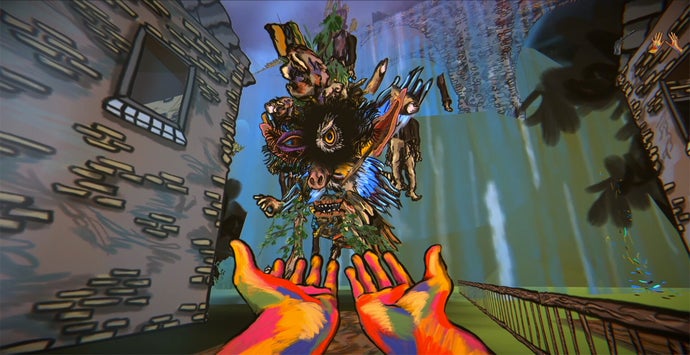
In *ShantyTown*, players are assigned the role of constructing stacked mini-homes on various landscapes such as rocky elevations, small islands, or even on the backs of imaginary long-legged elephants. The game emphasizes maximizing limited spaces by arranging structures in layers and embellishing them with decorations and amenities that mirror the desires of the residents. This contrast of compact architecture against creative backgrounds generates a captivating visual experience that stimulates imagination and fun.

A remarkable aspect of the game is its mechanics. Unlike conventional construction games that offer players a broad menu of choices, *ShantyTown* implements a “deck” system. Players receive three building items at a time from a selection pool, with a preview of what’s next in the undealt deck. This necessity to adapt and innovate introduces an invigorating layer of strategy without overwhelming the users, nurturing a distinctive building approach that aligns with the game’s quirky charm.

The structures in *ShantyTown* range from metal huts to lively diners, all designed to fit within the limited spaces presented. Every building possesses its own specific requests, visible through thought bubbles that prompt players to enhance and beautify their town. Fulfilling these requests not only elevates buildings into aesthetically pleasing structures but also unveils decorative components essential for meeting the level’s goals.

The decorative options are diverse, including plants, signs, and functionally integrated lighting features. Smart arrangements can yield bonuses, enabling players to optimize both the utility and visual charm of their creations. Despite the emphasis on meeting building demands, the game prioritizes personal expression, urging players to design their towns in visually delightful manners that represent individual creativity.

Additionally, *ShantyTown* excels in fostering a welcoming environment. With no excessive statistics to monitor—such as electricity needs or tax concerns—the game encourages players to tackle bite-sized challenges at a leisurely pace. The day/night cycle, along with uniquely whimsical items like helicopter landing zones and crab-shaped houses, heightens the sense of wonder, immersing players in a realm where the mundane transforms into the extraordinary.

Nevertheless, the game’s title provokes some concerns. The term “shantytown” conventionally refers to impoverished neighborhoods marked by substandard living conditions, contrasting sharply with the playful and imaginative settings of the game. Although the developer cites inspiration from densely populated cities, the disparity between the title and the game’s cheerful nature deserves attention. Ideally, a title that reflects the fantastical aspects of construction—like *StackTown*—might have averted any unintended connotations related to real-world poverty.

Despite some narrative inconsistencies and minor technical glitches, such as occasional crashes and performance slowdowns, *ShantyTown* effectively provides a soothing and enjoyable experience. By presenting a platform for players to construct their unique worlds with minimal pressure, it captures the spirit of cozy construction. For those in search of a retreat into a vibrant world of creativity and enchanting architecture, *ShantyTown* is a wonderful haven.