# Pokémon Winds and Waves: What We Know So Far
A wealth of information is circulating online regarding [Pokémon Winds and Waves](https://kotaku.com/pokemon-presents-winds-waves-pikachu-underwater-2000674398). Much of it stems from unverified leaks, making it difficult to discern what is accurate, what is fabricated, and what is merely speculative. This article seeks to clarify what we definitively know and distinguish it from potentially true information.
## A New, Open-World Region Inspired by Southeast Asia
The title of the new region in Winds and Waves is currently undisclosed, but the announcement trailer highlighted a lively open world seemingly influenced by Southeast Asia, showcasing notable features from the Philippines, alongside hints of Indonesia and Malaysia. Each Pokémon region is usually inspired by real-world locations, such as Kalos, which draws from France in Pokémon X and Y, and Unova, inspired by the United States. We can expect Winds and Waves to incorporate cultural elements tied to its Southeast Asian roots.
## Explore Both Above and Below the Water
The Pokémon franchise has been gradually shifting towards an open-world format, with recent games like Legends: Arceus and Scarlet/Violet laying the groundwork. Winds and Waves expands on this concept, enabling players to navigate both the surface and underwater environments. The reveal trailer spotlighted underwater exploration, featuring Pokémon that aren’t found on land, reminiscent of Ruby and Sapphire but with significantly improved visuals and exploration features.
## Differences Between Versions
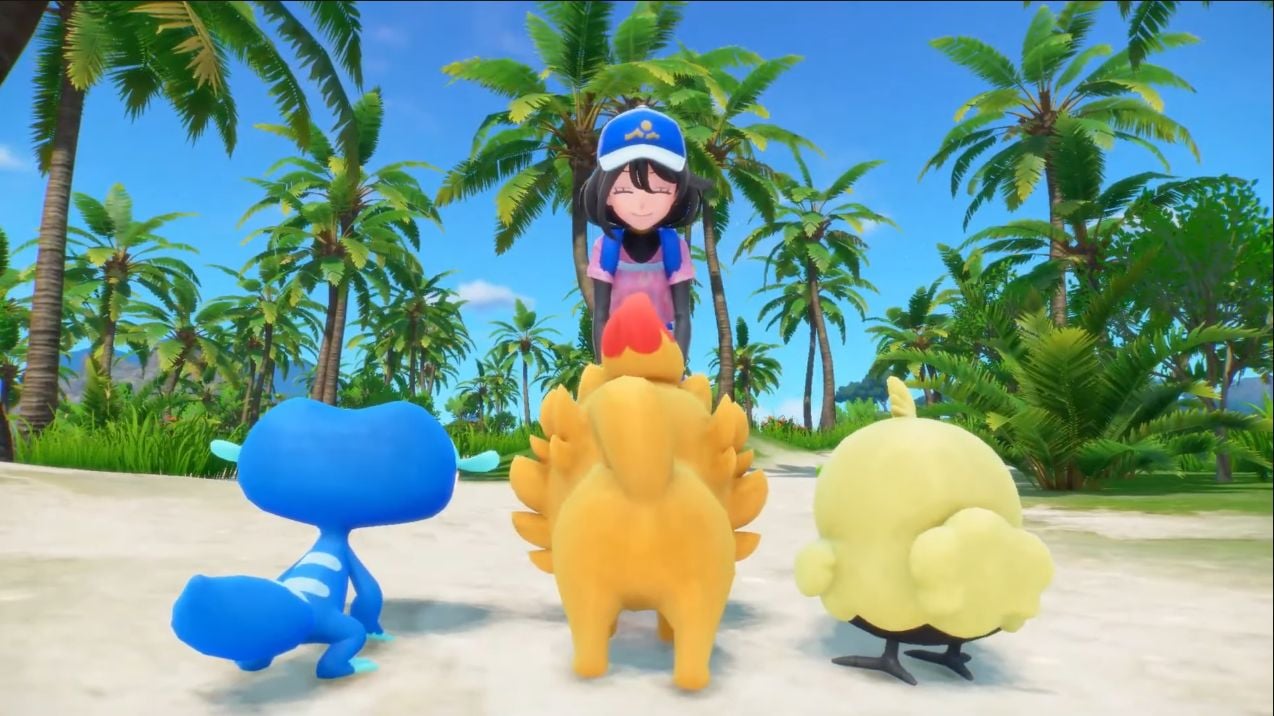
Historically, Pokémon has created unique experiences within paired RPGs by offering varying Pokémon, characters, and narrative components. Recent titles have embraced this approach more fully, presenting different characters and settings. In Winds and Waves, players will have different starting outfits based on their game choice: Winds players will wear a white cowboy hat and backpack, while Waves players will have a blue cap and bag, each displaying different logos. It is expected that, similar to previous titles, there will be a deeper story element linked to these outfits.
## The Starters
Currently, three new starter Pokémon have been confirmed for Winds and Waves, each representing grass, fire, and water types:
– **Browt**, the grass-type avian
– **Pombon**, the fire-type canine
– **Gecqua**, the water-type reptile
These starters enable players to embrace the elemental affinities central to the gameplay.
## Who Else Will Appear in the Game?
As of now, the initial trailer has showcased a selection of Pokémon from past generations. The confirmed returning Pokémon list features:
– Pikachu
– Gloom
– Tropius
– Wailmer
– Wailord
– Nymble
– Tailow
– Tangela
– Oddish
– Ledyba
– Ledian
– Slugma
– Sizzlipede
– Wingull
– Krabby
– Sandygast
– Corsola
– Mareanie
– Toxapex
– Tympole
– Carnivine
– Duskull
– Lumineon
– Tynamo
– Frillish
## Pikachus with Style
Along with the catchable Pikachu, Winds and Waves will feature two distinctive Pikachu characters in the storyline: Mr. Windychu and Ms. Wavychu. These characters don beachwear and have a thematic link to the game’s titles, although it remains uncertain if they will be included in one or both versions.
## No Switch 1, Unfortunately
Winds and Waves will mark the first Pokémon RPGs released exclusively on the Switch 2. After encountering technical difficulties with previous titles on the original Switch, it is evident that Game Freak has maximized the new console’s capabilities to provide smoother gameplay, with expectations of enhanced performance compared to earlier titles like Scarlet and Violet.
## What About All the Unverified Leaks and Speculations?
A plethora of leaks and rumors pertain to Winds and Waves, addressing possible Pokédex counts, new evolutions, and aspects of a new battle mechanic. Some of this information stems from the extensive Game Freak Teraleak, while other insights come from community leakers with early build access. For now, while captivating, this information should be approached with caution.
## When Is the Release Date?
Pokémon Winds and Waves are set to launch in 2027.