Uncategorized

Worries Among Nintendo Shareholders About Switch 2 Costs and Absence of Significant Game Reveals
**Nintendo’s Switch 2 Price Hike and Investor Worries**

Nintendo’s latest notification about a price hike for the Switch 2 seems to have backfired, greatly impacting its stock performance. A report from Reuters indicates that the firm’s share price dropped by 7 percent following this news, as investors voiced increasing concerns regarding the long-term sustainability of the new console due to escalating production expenses and a shortage of significant game launches ahead.

Even with the Switch 2 moving 20 million units and 50 million games in its initial nine months, the expected price increase of $50 has not eased worries about rising costs. It has come to light that this hike does not entirely offset the growing expenses related to hardware manufacturing, especially concerning computer parts affected by supply chain difficulties and the ongoing race in AI technology, as mentioned by Nintendo’s president, Shuntaro Furukawa.

The company typically refrains from selling its consoles at a deficit, which sharply contrasts with rivals like Sony and Microsoft, who frequently utilize console sales as loss leaders to boost profits from software sales. This strategy places Nintendo at a disadvantage, particularly when combined with investor aspirations influenced by the current gaming ecosystem.

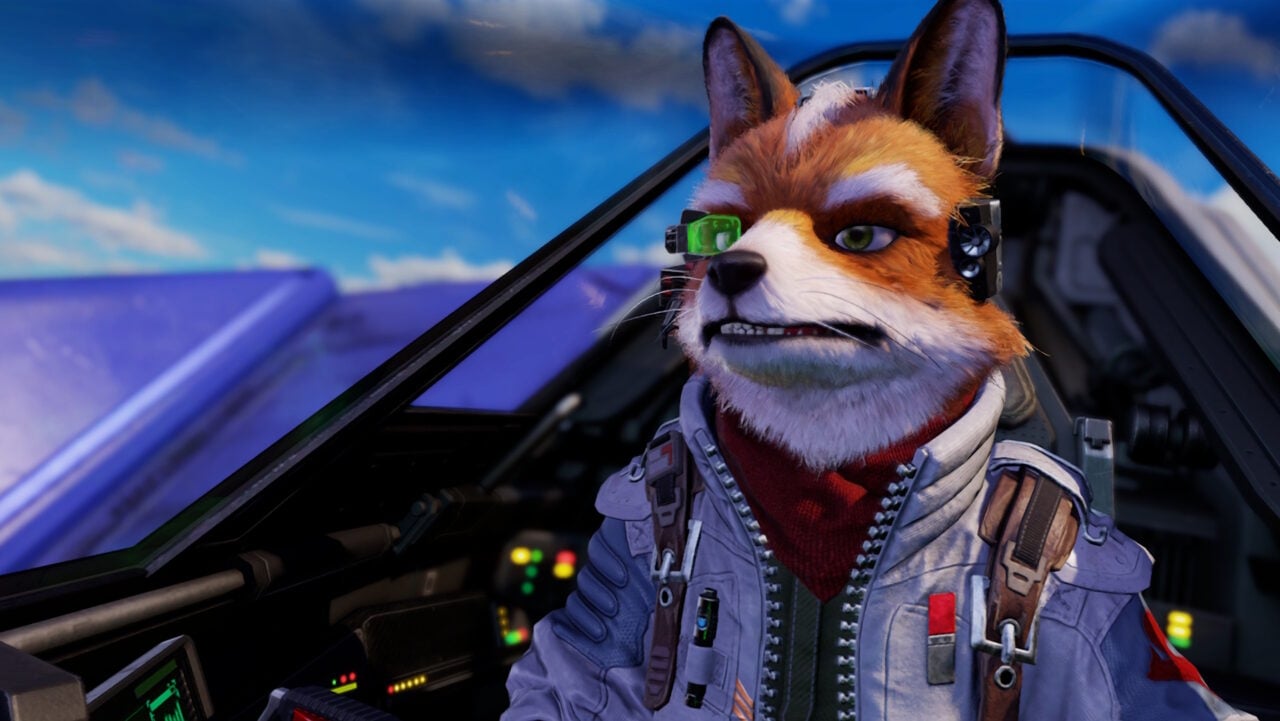
The lack of blockbuster games scheduled for release in 2026 further intensifies these challenges. Although the popularity of titles like *Pokémon Pokopia* has enhanced sales, investors remain fixated on the future, especially with the next significant *Pokémon* release not anticipated until 2027. Other forthcoming titles, such as sequels to *Star Fox*, *Splatoon*, and *Yoshi and the Mysterious Book*, do not possess the widespread appeal needed to satisfy investors looking for notable returns amidst a volatile market.

As investor unease escalates, there is rising pressure on Nintendo to clarify its major franchises. The absence of announcements regarding upcoming key titles—particularly about *Super Mario* or possible new ventures in *The Legend of Zelda* series—has created a gap that investors find concerning. Without meaningful updates, Nintendo risks further undermining its stock value as both consumers and shareholders eagerly await news on forthcoming releases that could boost both hardware and software sales during the vital holiday period.

In summary, the hurdles Nintendo faces regarding the Switch 2’s price hike are intensified by market expectations and an ambiguous future game lineup. For the firm to restore investor trust, prompt announcements concerning new game progress and plans to tackle production costs are crucial. As the gaming sector continues to transform, all attention will be on Nintendo to see how it manages this pivotal moment.


Uncategorized

Darkest Dungeon Developers Confirm Commitment to Retain Narrator Wayne June, Rejecting GenAI Substitution

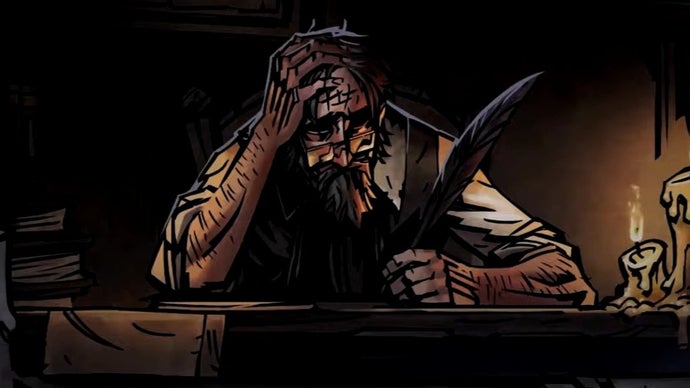
Darkest Dungeon developers Red Hook will “never, ever” use generative AI to recreate the voice of recently deceased series narrator Wayne June, co-founder and creative director Chris Bourassa has told players during a discussion of the currently hypothetical Darkest Dungeon 3. That’s despite June himself apparently giving the idea his blessing, shortly before he passed away in January last year.

Read more

Uncategorized

Forza Horizon 6 Unintentionally Revealed Online Over a Week Prior to Its Official Launch

### Noteworthy Gaming Leaks: The Forza Horizon 6 Scenario

Prominent gaming leaks have increasingly surfaced as a significant phenomenon in the sector, with Nintendo being notably impacted. Widespread leaks before the launch of major titles for the Nintendo Switch have sparked worries regarding the company’s capacity to establish a secure release environment. Yet, in an unexpected twist, Microsoft’s highly awaited launch, **Forza Horizon 6**, has also succumbed to premature leaks, showing up online for download nine days ahead of its official release.

#### The Forza Horizon 6 Leak

Various reports, including those from **Video Games Chronicle** (VGC), reveal that the leaked iteration of **Forza Horizon 6** has been extensively distributed online, having already been cracked to function independently from digital platforms like Steam or Xbox Game Pass. The leak is said to have originated after a developer failed to encrypt the data for a build before uploading it to Steam’s backend on May 10. This lapse enabled specific individuals to capture the build and subsequently distribute it publicly. The occurrence of this leak has been validated by multiple videos emerging on platforms such as YouTube, exhibiting gameplay from the unauthorized version. This circumstance has undeniably placed Microsoft in a difficult situation, requiring prompt action to address the repercussions.

#### The Impact of Advanced Access

Before the leak, Microsoft had envisioned a legitimate avenue for enthusiastic gamers to obtain **Forza Horizon 6** early through a Premium Edition priced at $100, which allowed early access four days prior to the general roll-out. However, this approach raised concerns as it monetized players’ anticipation to play, featuring a noticeable price contrast with the standard edition at $70. By unlocking the game on May 15, just ahead of the weekend, Microsoft aimed to boost revenue from users unwilling to wait for the official launch. The arrival of a leaked version significantly undermines this plan, likely leading to lost sales from those who might have otherwise bought the Premium Edition.

#### Financial Consequences

Although the leak could potentially impact Microsoft’s marketing approach, its overall effect on the company’s profitability may be minimal. Many gamers who typically do not engage in game piracy may be unaware of where to locate such leaks or how to operate them without help. Furthermore, initial reports indicate that **Forza Horizon 6** may have already sold half a million copies on Steam alone, reflecting strong pre-release interest. Also, with the game accessible on Xbox Game Pass from day one, Microsoft stands to gain considerably from subscription growth and player engagement.

#### Conclusion

The gaming industry confronts an ongoing struggle against leaks, with pre-release occurrences representing a much higher risk than post-launch piracy. For Microsoft, dealing with the fallout from this specific leak while ensuring customer satisfaction for early access buyers could be challenging. As the gaming community watches this scenario develop, it highlights the increasingly intricate relationships between securing digital content, early access monetization tactics, and the impact of piracy on both potential sales and consumer conduct.

Uncategorized

Crimson Desert Patch Introduces Rideable Lion and Claw Machine Reward System Featuring Chairs and Special Hats

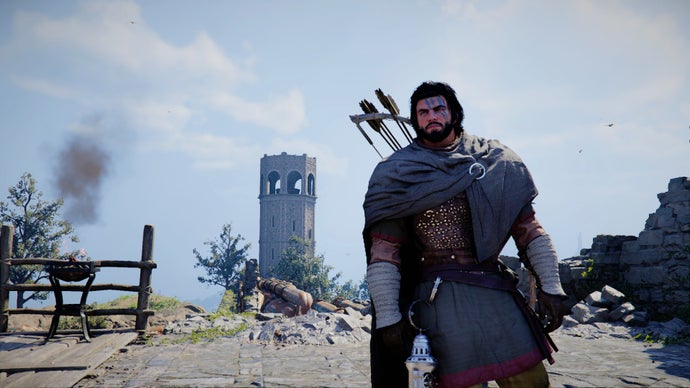
Crimson Desert continues to morph into newer and more unknowable forms with each patch developers Pearl Abyss put out. For example, the latest one turns it into a game in which you can ride one of many special animals to a claw machine that stocks some nice decor and accessories, then get a handy partial refund when upgrading your gear. Also, passengers will no longer enable your road rage by getting out and trying to duff up whichever unlucky person you’ve crashed your wagon into.

Read more

Uncategorized

Pentagon Publishes More Details on UFO Observations Lacking Proof of Alien Existence

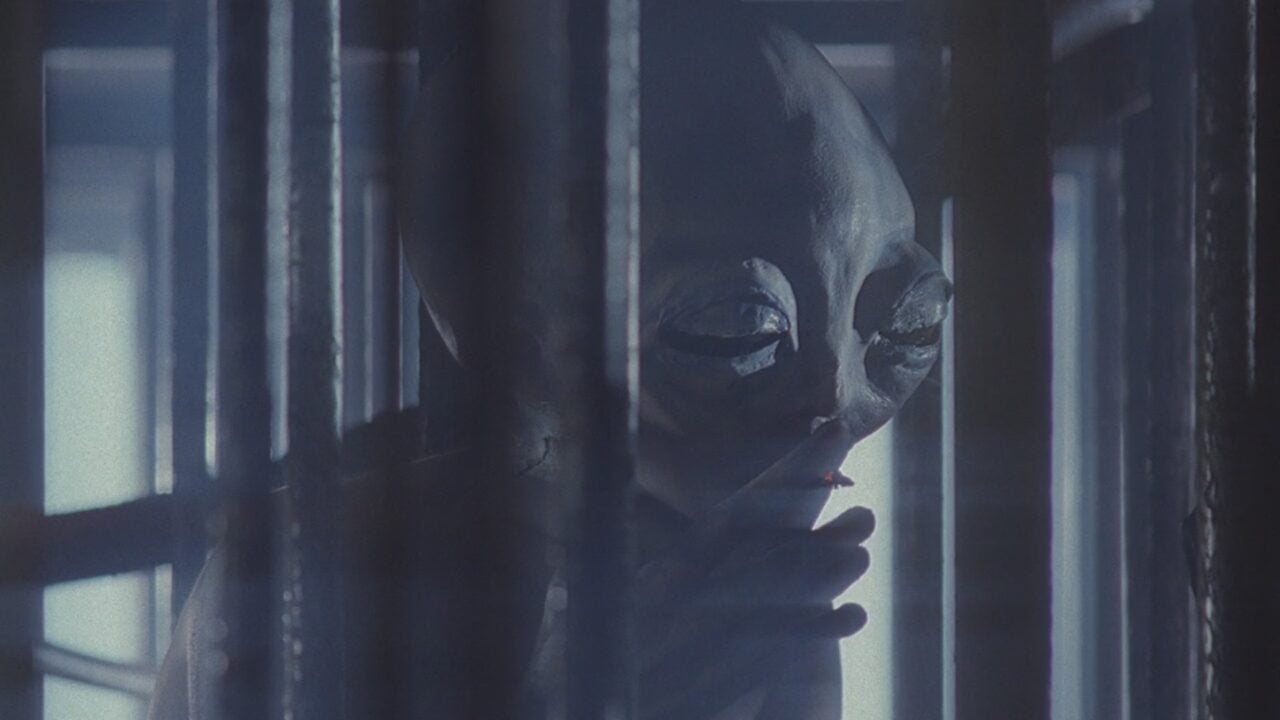
This week, the Pentagon made public another substantial collection of official documents and videos concerning unidentified flying objects (UFOs). These items cover many years and present accounts of lights and objects demonstrating maneuvers that defy the principles of physics, including unusual geometric shapes and abrupt 90-degree turns in the air.

In light of the release, former President Donald Trump took to Truth Social, asserting that previous administrations had not been transparent about the matter of extraterrestrial life, apart from his own. “With these new Documents and Videos, the people can decide for themselves, ‘WHAT THE HELL IS GOING ON?’” Trump remarked, urging the public to engage with the recently disclosed information.

A significant piece of evidence featured in the latest release is a report from the United States Central Command, which provided a video from an infrared sensor lasting one minute and 46 seconds. This specific report, designated DOW-UAP-PR38, centers on an unidentified anomalous phenomenon noted in the Middle East in 2013.

Critics contend that these recent revelations are not groundbreaking, mirroring similar discoveries from 2017 that were exposed by The New York Times and musician Tom Delonge. Today’s peculiar yet inconclusive videos have done little to elucidate humanity’s role in the universe. In recent times, military pilots across the United States have reported UFO sightings, which later turned out to align with weather balloons, igniting discussions about possible threats like Chinese surveillance. Such occurrences primarily highlight the intricacies of advanced detection technologies and emphasize officials’ efforts to secure funding for military enhancements.

Former President Barack Obama weighed in on the ongoing discussion, stating in a YouTube video that while he found no proof of extraterrestrial life at Area 51, he believes such life exists somewhere in the cosmos. Trump, however, criticized Obama’s comments as an improper reveal of classified information. Hillary Clinton, during her campaign, pledged to declassify information concerning UFOs, a promise that echoed her interactions in the 1990s with UFO enthusiast Laurance Rockefeller. Nevertheless, this did not deter conspiracy theorists, who focused more on other narratives at the time.

Despite the new disclosures from the Pentagon, skepticism remains among UFO researchers. John Ege, Texas director of the Mutual UFO Network (MUFON), mentioned that while he does not think the government is intentionally concealing information, the released materials were mostly already familiar. Ege indicated that this might be perceived as a diversion of public focus.

The 1990s nurtured a lively counterculture captivated by UFO phenomena, amplified by notable accounts from claimed abductees and popular media such as “Coast to Coast” and “The X-Files.” Today’s documentation offers perspectives on aerial phenomena, but the post-9/11 environment has largely redirected public concerns toward terrestrial matters, relegating the search for extraterrestrial life to a niche interest. Consequently, those fascinated by the possibility of alien encounters may need to look beyond current military narratives.

Uncategorized

Discovered Untrimmed Sheets of Blue-Eyes Dragon Yu-Gi-Oh Cards Located in Texas Trash Bin

**The Enigmatic Case of the Dumpster-Digging Yu-Gi-Oh Card Vendor**

In March of this year, the trading card community was startled by the abrupt emergence of rare uncut sheets of *Yu-Gi-Oh* cards on sites such as eBay and Facebook. Although the cards appeared to be genuine, the unusual conduct of the seller sparked numerous questions about the provenance of these sought-after items. A recent article from *404 Media* seeks to uncover the identity of this mysterious figure, referred to as the phantom duel master.

Journalist Matthew Gault was able to make contact with the seller and a buyer named Nick. Nick shared his enthusiasm about acquiring an uncut sheet of Blue Eyes Silver Dragon for $1,000, calling it an incredible deal, despite the many discrepancies linked to the listing. “At the time, I thought he had won it from a tournament,” Nick told *404 Media*. “I believed it was obtained legitimately.”

The phenomenon of uncut cards or misprints being accidentally released is not uncommon. Such rarities can be an enticing prospect for retailers that find themselves in possession of them by chance. However, the potential risks associated with a litigious company like Konami, which aims to safeguard its interests, often surpass the possible rewards. The seller’s documentation left much to be desired, but their series of posts offered collectors a broader view of the apparent treasure trove. Nick noted that the total value of the discovered cards could rise to a million dollars if sold wisely. The seller was notoriously erratic in their responses, at times dodging inquiries and even having their mother step in, but one detail remained unchanged: the cards were reportedly retrieved from the garbage.

In a daring Facebook post, the seller proclaimed, “Man I’ve made over $60,000 off these f****** *Yu-Gi-Oh* cards out of the trash. I’m about to go take a video of where I got these hoes from and let you hold it on that now you all pay the premium price.”

As *404 Media* investigated further, including dialogues with the seller’s mother and acquaintances, it was speculated that the cards were found in Dallas, Texas, close to a factory owned by Cartamundi. This firm is recognized as one of the manufacturers hired by Konami to produce these in-demand trading cards.

The escalating interest in trading card games over the past decade, paired with a collecting frenzy ignited by the pandemic, has turned many hobbies into profit-generating enterprises. This increase in demand has resulted in a rise in both enthusiasts and opportunists, establishing a black market surrounding coveted items from franchises like *Pokémon* and even *Lego*.

For over a month, the elusive *Yu-Gi-Oh* seller has confounded collectors with a cycle of listing, unlisting, and teasing about their surprising find. In one heated post, they ranted, “F****** stupid f***. I bet you don’t know you hoes getting none of this s***.”

As the narrative unfolds, the trading card community remains captivated by the peculiar circumstances surrounding this profitable haul, eagerly anticipating more details about both the seller and the origins of these valuable *Yu-Gi-Oh* cards.

Uncategorized

PlayStation 3 Emulator Creators Ask for Decrease in AI Code Pull Requests

### RPCS3 Team Requests Halt on AI-Derived Code Submissions

The RPCS3 team, responsible for the premier open-source PlayStation 3 emulator, has openly discussed problems arising from unsolicited code submissions of dubious quality from AI-sourced origins. In a recent update shared on social media platform X, the management of RPCS3 conveyed their dissatisfaction with the surge of what they labeled “AI slop code” being uploaded to their GitHub repository. Initially polite, the tone soon shifted to a more straightforward approach in responses to users defending their contributions.

Since its launch in 2011, RPCS3 has granted enthusiasts the ability to enjoy PlayStation 3 games on various platforms. Over time, it has transformed into a powerful emulator capable of handling approximately 70% of the PS3’s game library. This achievement has relied not only on the efforts of the core development team but also on a community that actively enhances its codebase via GitHub.

In their announcement, the RPCS3 team urged contributors to refrain from submitting poorly constructed code produced by AI tools. They highlighted that numerous resources are accessible for developers to grasp proper debugging and coding methods, rather than generating code they do not fully comprehend. The message stated, “Please cease submitting AI slop code pull requests to RPCS3. We will begin banning those who do without proper disclosure. There are ample online resources to learn how to debug and code instead of producing slop that you don’t understand and that doesn’t function.”

This appeal signals a rising concern among open-source projects confronting an overwhelming volume of submissions from automation tools that fail to meet the quality standards vital for operational software. The team’s frustrations were exacerbated by a previous interaction where they wryly responded to a user questioning their decision-making in rejecting submissions, asserting, “You can’t possibly handwrite the type of rubbish AI slop we have been observing.”

RPCS3 is not the only one facing this challenge. Other notable developers, such as Rémi Verschelde from the Godot Engine, have also noted a substantial increase in AI-generated pull requests. The Godot team is even contemplating hiring more maintainers to manage the influx of low-quality submissions.

As the discussion on AI’s role in software development advances, the RPCS3 team’s appeal serves as a clear reminder of the necessity for quality coding practices within the open-source community. Emulating intricate systems like the PS3 demands not only advanced programming capabilities but also a profound comprehension of the platform’s architecture, an area where hastily created AI code generally falls short. The RPCS3 team’s resolute position underscores the importance of human expertise in software development and the ongoing requirement for developers to engage meaningfully with their projects.