**Nvidia Launches DLSS 5: The Debate Over AI-Driven Visual Upscaling**
On October 24, 2023, Nvidia unveiled its most recent visual upscaling innovation, DLSS 5 (Deep Learning Super Sampling). Promoted as an “AI-driven revolution,” this version has ignited significant discussion among gamers and developers. The feedback regarding DLSS 5 has largely been unfavorable, leading to prompt damage control efforts from Nvidia and notable game developer Bethesda.
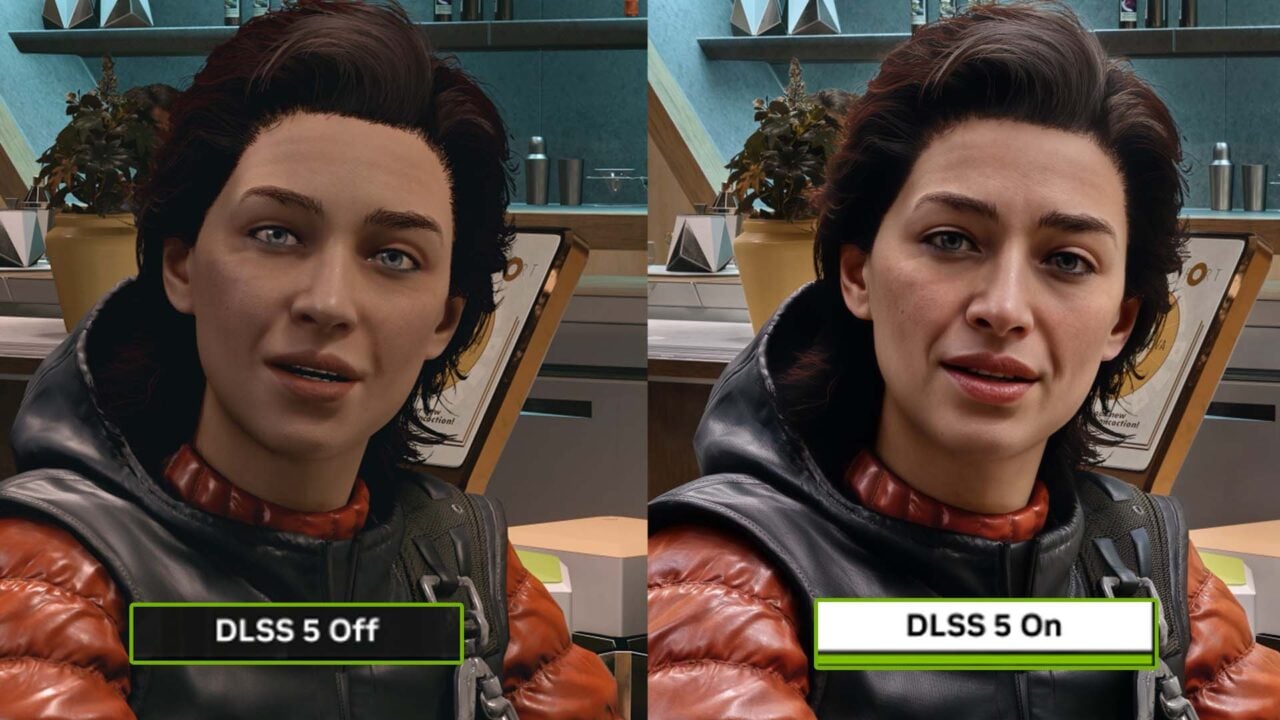
Nvidia demonstrated DLSS 5 during a showcase that featured a profitable presentation of Bethesda’s forthcoming action RPG, *Starfield*, along with upgraded character models from *Resident Evil Requiem*. However, viewers quickly voiced their disapproval of the visuals created by DLSS 5, resulting in a flood of negative reactions on social media. Many onlookers believed that the technology undermined the visual fidelity of the games, coining phrases like “AI slop” to characterize the aesthetic produced by DLSS 5.
In reaction to the negative feedback, Bethesda felt it necessary to confront the issues directly. The company’s social media account shared a message highlighting that the use of DLSS 5 is “entirely optional” and will remain at the discretion of their artists. Bethesda assured fans that their artistic vision will dictate any incorporation of this technology, as it represents a preliminary glimpse into the possibilities of DLSS 5 and is open to further modifications. Nonetheless, this announcement did little to appease the dissatisfaction. Gamers expressed doubt, with some arguing that dependence on AI technology detracts from the genuine creativity that game developers embody.
Nvidia also provided a clarifying response to critiques raised during the official DLSS 5 reveal video on YouTube. They emphasized that game developers retain full authority over how DLSS 5 is applied, noting that the software development kit (SDK) facilitates various adjustments—including intensity, color grading, and specific application zones—ensuring the distinct visual style of each game is upheld. Nvidia explained that DLSS 5 analyzes color and motion vectors from each frame, anchoring its output in the original 3D content instead of merely applying a surface-level filter.
Notably, the debate surrounding DLSS 5 also involves other developers such as Capcom, whose *Resident Evil Requiem* director Koshi Nakanishi encountered backlash during a recent DLC announcement for showcasing what seemed to be AI-generated visuals. This event has raised further concerns regarding the use of AI in visual arts within gaming, prompting enthusiasts to speculate on these studios’ commitment to maintaining high artistic standards.
As discussions persist, the future of AI-augmented visual technologies in gaming remains a divisive issue. With developers aiming to balance innovation and artistic fidelity, the reception of Nvidia’s DLSS 5 will likely shape the future role of AI in game design and presentation.