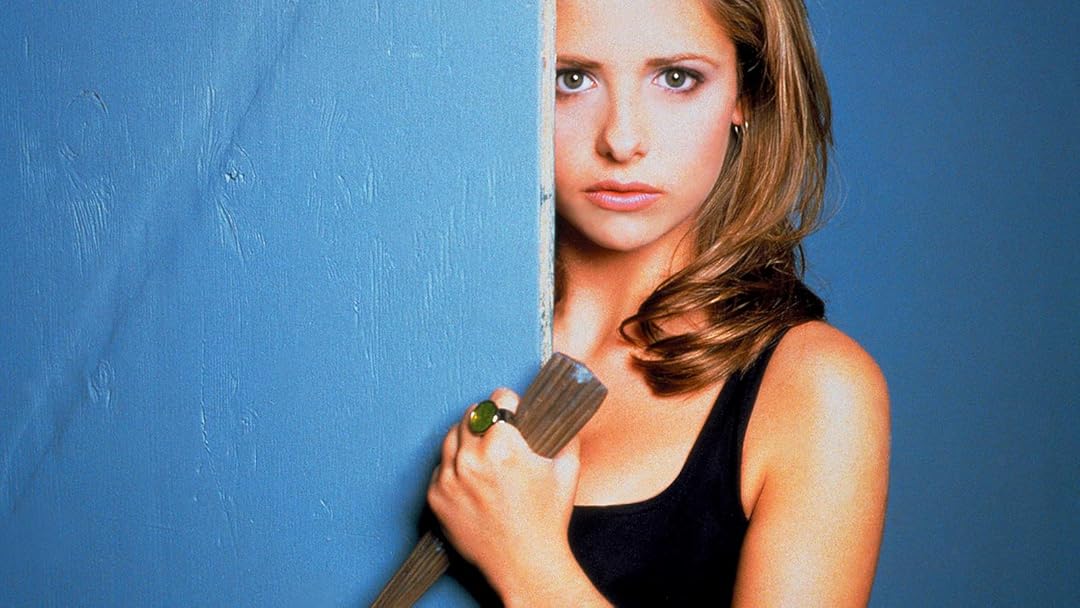
On March 14, Sarah Michelle Gellar took to Instagram to announce that “Buffy the Vampire Slayer: New Sunnydale,” a proposed continuation of the iconic “Buffy the Vampire Slayer” television series, has officially been scrapped. Chloé Zhao, recognized for her direction of “Hamnet,” was set to helm the production. In the wake of the cancellation, Gellar shared in an interview with People Magazine that an unnamed executive, who “took pride” in never having viewed the original series, was partly responsible for the show’s failure.
In the interview, Gellar mentioned that she learned about the cancellation right before going to the premiere of her new film, “Ready or Not 2: Here I Come.” She conveyed her annoyance regarding having an executive on the project who openly expressed his disdain for the original franchise. Gellar stated, “We had an executive on our show who was not only not a fan of the original, but was proud to constantly remind us that he had never seen the entirety of the series and how it wasn’t for him… So that tells you the uphill battle that we had been fighting since day one.”
Gellar’s remark raised questions, considering that the list of executive producers for “Buffy the Vampire Slayer: New Sunnydale” comprised nine individuals, with just one being male: Kaz Kuzui. Although Kuzui has extensive connections to the franchise, having produced both the 1992 film and the 1996 television series, he has a history of attempting to reboot the series several times. Thus, many theorize that Kuzui is not the target of Gellar’s criticism.
Reports from Deadline indicate that Gellar’s frustration may actually be directed at Craig Erwich, President of Disney Television Group. Sources reveal that Erwich played a significant role in the cancellation, overseeing Hulu Originals. However, some reports also suggested that the cancellation might have stemmed from the pilot’s quality, indicating it could have been too expensive to make or did not live up to the expectations set by the original series.
This sequence of events underscores the intricate challenges faced in reviving cherished franchises, especially when pivotal decision-makers lack a genuine enthusiasm for the original content. As the cancellation of “Buffy the Vampire Slayer: New Sunnydale” resonates through the fan base, it prompts inquiries regarding the future of other reboots and continuations within the industry, and whether they can resonate with audiences as powerfully as their forerunners.