### Insights from the Capital Reality Panel at Digital Dragons
This year’s Digital Dragons featured a compelling panel on games industry investment and publishing deals, aptly labeled “Capital Reality.” The session gathered senior mergers and acquisitions professionals who delved into the complexities of gaming investments, often communicating in a maze of jargon that felt alien to many attendees.
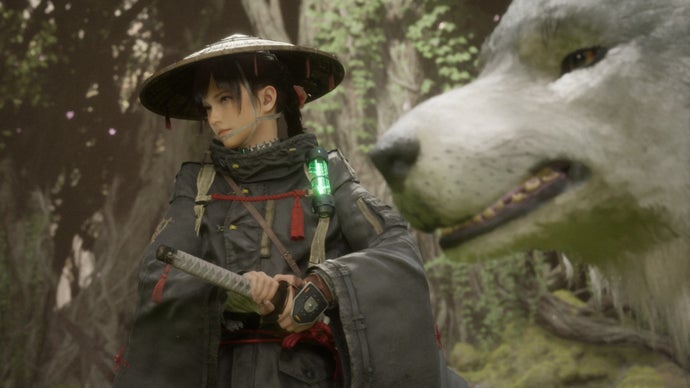
A notable participant in this dialogue was Victor Lee, director of Europe investments for Krafton, the publisher behind the acclaimed game Subnautica 2. Lee shared his candid frustration regarding the overwhelming influx of roguelike deckbuilders in the market, a sentiment shared by many in the industry.
#### The Trend Cycle Dilemma
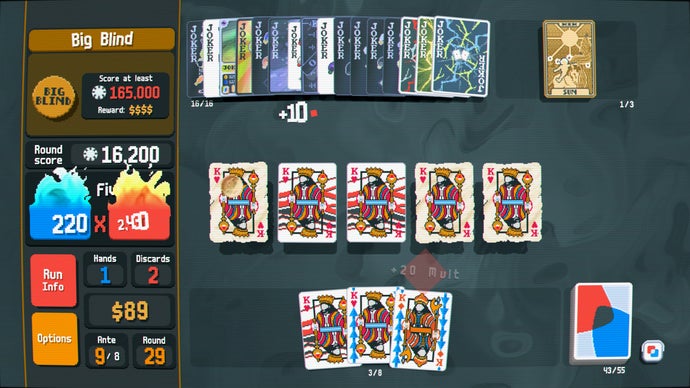
Lee began his discussion with an observation on the accelerating trend cycles within the gaming industry. Historically, popular genres like survival crafting would dominate discussions, only to be rapidly succeeded by new trends such as roguelike deckbuilders. According to Lee, the sheer volume of similar games—he reported seeing over 250 roguelike deckbuilders in just the past year—makes it nearly impossible for developers to stand out. His commentary highlighted a critical concern for new developers: the challenge of differentiating within a saturated genre.
#### Genre Fluidity and Market Understanding
Lee expressed that the term “roguelike” itself has become a misnomer, conflating various gameplay mechanics under one umbrella. He emphasized that roguelikes can encompass a variety of genres, including first-person shooters and deckbuilders, complicating understanding for investors and publishers. This lack of clarity requires developers to provide more than just a genre label; they need to articulate what makes their game unique.
#### Strategic Considerations for Developers
When discussing trends, Lee offered several strategic considerations for developers considering chasing current gaming fads. One crucial point he raised is the potential for failure; he argued that developers who can afford to experiment and fail multiple times are better positioned to succeed. He advised that if a developer can rapidly prototype and release several games in a trending category, they might discover a successful concept more easily than if they invest significant time and resources into a single, high-risk project.
Conversely, he cautioned against relying on fundamentally low-barrier genres, suggesting that if a concept seems easy to create, it likely faces widespread competition. Lee encouraged developers to thoroughly assess the target audience and the size of the market space before diving into new projects.
#### Passion Over Trends
While navigating through trends can be risky, Lee asserted his preference for collaborating with developers who exhibit a deep passion for their chosen genre, regardless of its current market viability. He highlighted that a dedicated team, knowledgeable in their genre from both a player and developer perspective, can create enduring and compelling content—even if the genre might not be currently popular.
#### Conclusion
Victor Lee’s insights underscore a critical balancing act in the gaming industry: the tension between following fleeting trends and nurturing genuine passion for game development. For developers, understanding market dynamics, evaluating potential risks, and fostering genuine enthusiasm for their projects are essential components in navigating this exciting but challenging landscape.
The discussion at Digital Dragons, while initially overwhelming, illuminated important considerations for developers eager to make their mark in the ever-evolving realm of gaming.