### The Diminishing Popularity of Isekai and Live-Service Trends: A Critical Year for Kadokawa and Game Publishers
In 2026, the entertainment landscape seems to be evolving, as both the anime and video game sectors contend with the repercussions of an overdependence on specific genres. Kadokawa, a significant entity in publishing, has disclosed a shocking 51.3-percent decline in operating profits for its fiscal year ending March 2026. The organization attributes this downturn to its overwhelming emphasis on the isekai genre, which has become emblematic of a creative halt in the anime and manga industries.
#### Kadokawa’s Economic Challenges
Kadokawa’s most recent fiscal earnings report reveals a concerning trend regarding profitability. The conglomerate’s substantial investment in isekai tales—narratives centered on characters who are transported to extraordinary realms—has faced criticism for resulting in a scarcity of innovation. Works like *A Harem in a Fantasy World Labyrinth* and *The Daily Life of a Middle-Aged Online Shopper in Another World* illustrate this pattern, with the publisher admitting that the output has led to numerous works lacking in quality and failing to engage the audience.
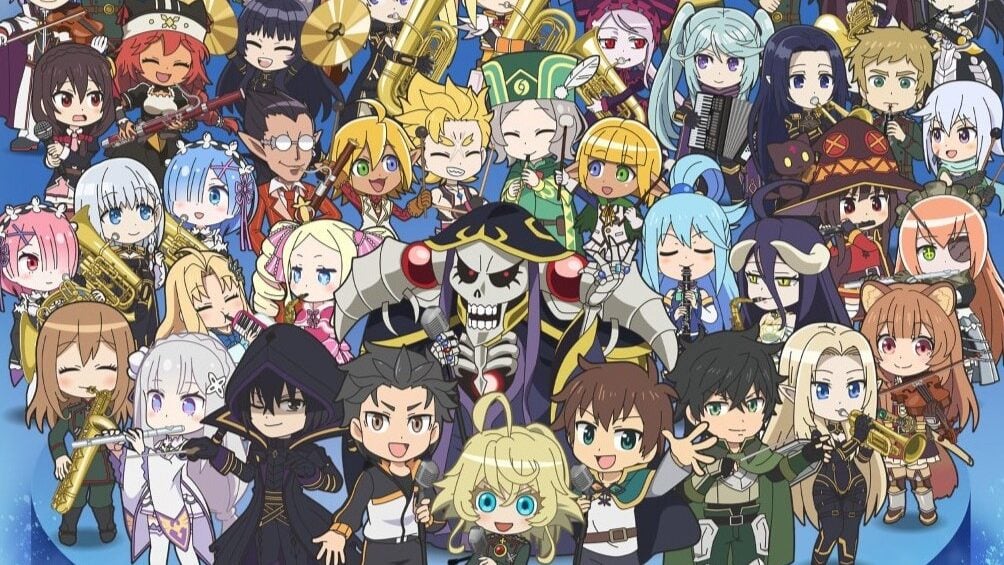
In its report, Kadokawa highlighted the dangers of “overdependence on established successful patterns,” further indicating that this inclination has hindered the advent of new successful titles. It is notable that this self-reflection comes from the publisher behind *Isekai Quartet*, a series that humorously critiques the saturation of isekai content in the industry.
#### Parallels with the Gaming Sector
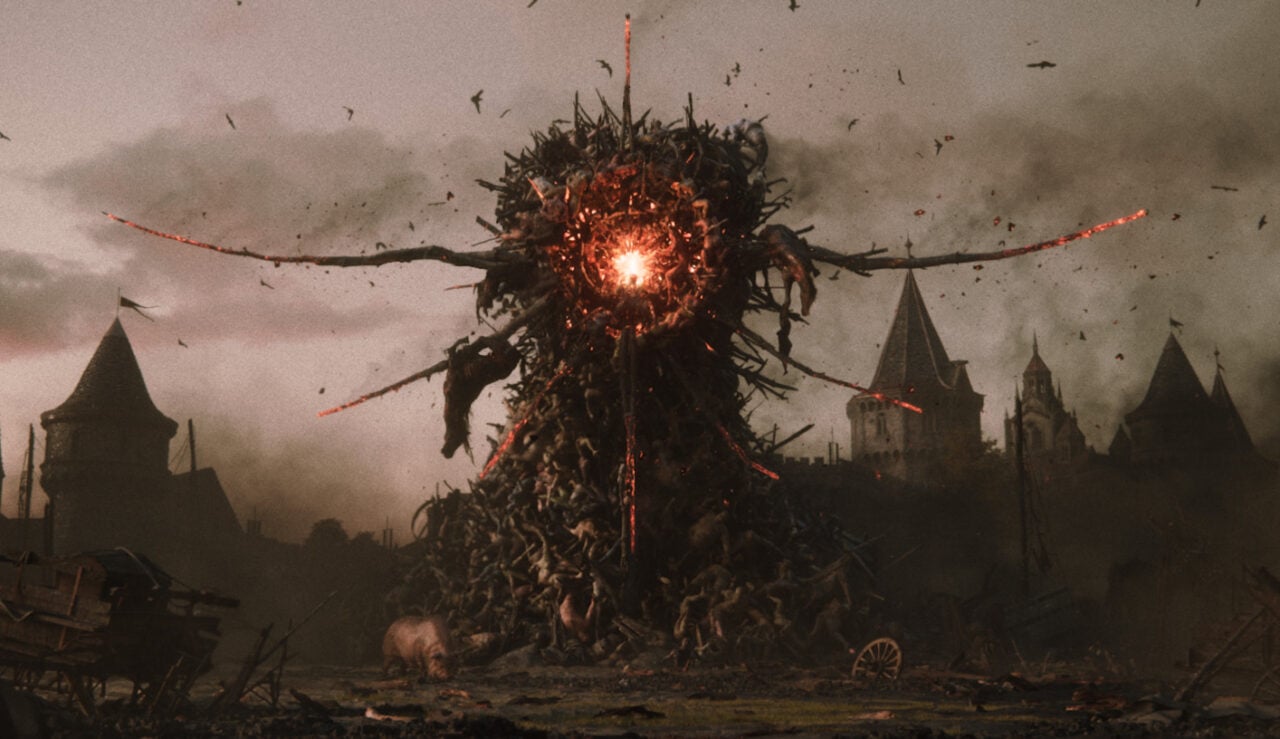
The obstacles faced by Kadokawa resonate with the fluctuating circumstances of video game publishers, particularly those that have adopted the live-service approach. Once hailed as the future of gaming, the live-service model has rapidly transformed into what some refer to as a “live-service graveyard.” Major companies like Amazon have recently closed their live-service initiatives, and Sega has cited declining confidence in this model as a rationale for scrapping its ambitious “Super Game.”
A stark contrast is noticeable in the gaming sector, where even giants like Epic Games are witnessing drops in player engagement and revenue from franchises such as *Fortnite*. Sony’s troubles with its games-as-a-service initiatives further highlight the industry’s collective error in gauging the sustainability of such models.
#### Cultural Similarities
The correlation between the anime industry’s declining interest in isekai narratives and the gaming industry’s retreat from live-service options is striking. Both fields seem to be facing the limitations of formulaic content and the diminishing returns of pursuing trends. This mirrors a larger cultural trend where audiences increasingly yearn for originality and depth over repetitive concepts.
Interestingly, the connections between Kadokawa and the video game sector are noteworthy. Kadokawa possesses the manga publishing rights to *Sword Art Online*, a series crucial in popularizing the isekai genre. Ironically, the narrative examines the consequences of being ensnared in a live-service game world, potentially reflecting current industry challenges eerily.
#### Future Outlook
As the isekai genre and live-service games wane in popularity, there is a flicker of hope for a renaissance in both anime and gaming. The decline of these once-prevalent trends indicates a shift toward original storytelling and deeper engagement with audiences. As fans and consumers call for fresh narratives, there lies an opportunity for recovery and revitalization in both media.
For Kadokawa and other publishers, this period may act as a catalyst for transformation. As the industry progresses, it is vital for creators to focus on innovation over replication, recognizing that the audience’s desire for new experiences is more significant than ever. The year 2026 could signify a pivotal moment, allowing for a resurgence of creativity in both animation and gaming.