### Fumito Ueda and the Evolution of Gameplay in Gen Atlas
Fumito Ueda, renowned for his work on critically acclaimed titles such as *Ico*, *Shadow of the Colossus*, and *The Last Guardian*, has unveiled his new project, *Gen Atlas*, during the Summer Game Fest showcase. This game invites players into a desolate desert realm strewn with the remnants of colossal robots. Players assume the role of a scavenger tasked with reconstructing one of these machines, though the precise purpose of this endeavor remains ambiguous.
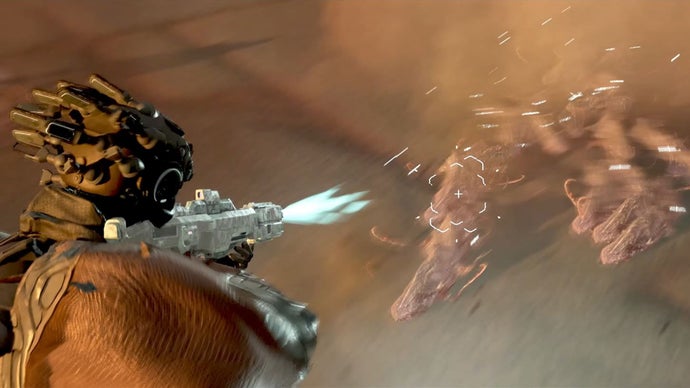
One striking aspect of the game is the protagonist’s possession of a machine gun, a notable departure from Ueda’s typically non-violent narratives. Historically, Ueda’s games have either minimized violence or conveyed the emotional weight of it, particularly in *Shadow of the Colossus*, where players confront the ethical implications of their actions. This new direction has sparked curiosity and concern among fans familiar with Ueda’s approach to interactive storytelling.
Ueda himself has acknowledged this shift, clarifying that while *Gen Atlas* introduces shooting mechanics, it is not intended to be a traditional shooter. In an interview with *PC Gamer*, he stated, “It’s really one of the ways that you’re going to be able to overcome hurdles in the game. It’s not ‘how many enemies can I shoot down and how many points can I earn.’” The gun serves a dual purpose: as a tool for solving puzzles and for navigating challenges rather than a means for mindless destruction.
The trailer for *Gen Atlas* features several instances where the shooting mechanic is employed. For instance, players might find themselves fending off creatures while driving a truck or using the gun to target a joint in the neck of a fallen robot as part of a puzzle. This suggests a layered approach, where combat exists but does not dominate the gameplay experience.
Ueda emphasizes the necessity of challenge in gaming. He aims to create a balance of frustration that leads to player growth and achievement. “You want to give a healthy amount of frustration,” he explains, indicating that the shooting mechanic could potentially facilitate different strategies in overcoming obstacles. In this context, players are encouraged to find various solutions to challenges, with gunplay being one possible shortcut.
When discussing gameplay dynamics, Ueda reflects on his previous works, particularly *Ico*, where players had the option to confront foes but were not required to do so. He reaffirmed this philosophy for *Gen Atlas*, stating, “It’s not that you have to defeat all the enemies that you encounter… you can choose not to.” The intent is to generate a sense of presence and interaction in the game world, rather than simply chasing scores.
In contrast, *Shadow of the Colossus* mandates the player to confront and defeat the colossi to progress, with a poignant narrative of loss accompanying each victory. Ueda’s evolution toward a more nuanced approach in *Gen Atlas* suggests a return to the moral complexities of player choices, akin to those found in *Ico*, where violence is a choice rather than a requirement.
The balance Ueda strives for between storytelling, exploration, and the potential for violence will be crucial in *Gen Atlas*. It promises a thoughtful gameplay experience, encouraging players to contemplate their actions and the consequences of their choices within a beautifully desolate landscape. The successful integration of these elements could set *Gen Atlas* apart as not just another action game, but as a profound narrative journey in true Ueda fashion.