# A Cut-Price Leonidas: Combat Mechanics in “Resonance: A Plague Tale Legacy”
In the world of video games, the thrill of overcoming enemies using brute force and clever tactics is a sought-after experience. If you’re looking for a game that allows you to hoof an enemy off the edge of a cliff with reckless abandon, “Resonance: A Plague Tale Legacy” may just be your ideal choice. Developed by Asobo Studio, this title marks a departure from its predecessor’s stealth mechanics, diving headfirst into scrappy melee combat that has garnered both curiosity and enthusiasm.
## The Shift from Stealth to Melee
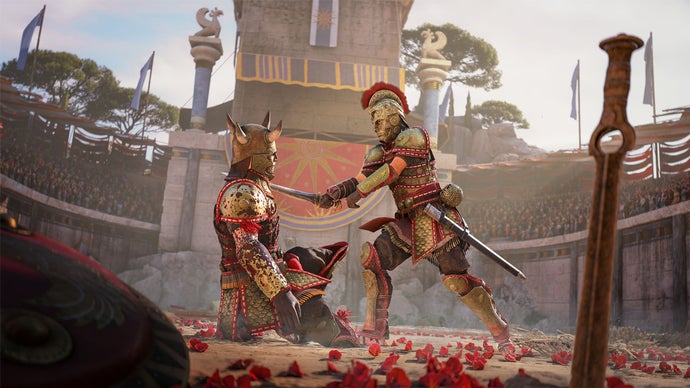
“Resonance: A Plague Tale Legacy” introduces players to Sophia, a fierce character who was initially part of a plunderer gang. Unlike the previous games in the series that heavily emphasized stealth, this iteration shifts its focus to intense melee encounters. Players can send foes tumbling over cliffs, use the environment strategically, and employ a range of combat tactics, including grabbing bottles to smash over enemies’ heads or utilizing a grappling hook to off-balance them.
The lead level designer Valérian Robert stated, “Nobody did a combat game before Resonance,” highlighting the learning curve the team faced in crafting engaging combat mechanics. Drawing inspiration from renowned titles like “Ghost of Tsushima,” “Sekiro,” and “Sifu,” they set out to design a combat system that balanced challenge with accessibility.
## Crafting Sophia’s Combat Style
Sophia’s combat style emerged as the developers explored her character. Initially introduced in “A Plague Tale: Requiem,” where she is depicted as a hardened pirate, the team took time to delve into her backstory. As they fleshed out who she was, they recognized that her upbringing in a plunderer gang influenced her fighting techniques. The initial iterations considered a “brutal combat” system, but the team found that the challenge needed to align with the game’s narrative and the expectations of players transitioning from a stealth-based gameplay.
Finding the right balance was crucial. Robert mentioned that while there was an aim for difficulty, it had to be enjoyable—especially for players not familiar with the “Souls” genre’s notoriously tough mechanics.
## Intuitive Combat Mechanics
Players unfamiliar with combat-heavy games may find “Resonance” daunting at first, with health being limited and mistakes leading to quick defeats. However, the game encourages creativity in combat. Smashing bottles to stun enemies can change the tide of battle, and learning to time parries and dodges is key to survival. The integration of environmental interactions and items allows players to think on their feet and develop their combat style.
Despite being a departure from stealth mechanics, the combat portion of the game reflects a commendable effort by Asobo Studio. As players engage in increasingly dynamic combat scenarios, they can appreciate the depth and consideration that has gone into making a combat system that feels authentic and rewarding.
## Conclusion
“Resonance: A Plague Tale Legacy” stands out not only for its engaging story and character development but also for its fresh take on combat design. As players take control of Sophia, they can relish in the thrill of physical confrontations and extreme tactics, fulfilling the desires of those looking to channel their inner Leonidas. It’s a bold step for Asobo Studio, showcasing their ability to evolve as developers and create a combat experience that appeals to both newcomers and loyal fans alike.