### RAMnarök and the Memory Crisis: An Overview of Cinder City’s System Requirements
The upcoming tactical shooter MMO, Cinder City, has recently made headlines not just for its gameplay mechanics but also for its ambitious system requirements amid a global memory crisis. With the launch of its Steam page, the minimum requirements for the game demand a staggering 32GB of RAM—significantly higher than the typical requirements for contemporary, well-optimized 3D games. Even more surprising is the initial recommendation for 64GB of RAM, which has since been revised to align with its minimum specs.
#### The Impact of the Global Memory Crisis
Currently, a worldwide shortage of memory components, primarily DRAM, has been affecting both consumer and commercial sectors. This situation has led to rising prices and limited availability of RAM, complicating the PC gaming landscape. Legal actions are underway against major suppliers like Samsung, SK Hynix, and Micron, accusing them of manipulating prices and supply, exacerbating the crisis.
#### Changes in Cinder City’s Specifications
Initially, the published specs for Cinder City raised eyebrows. Coupled with a modest GPU requirement of an RTX 2060, the recommended specs’ surreal high RAM needs seemed out of sync with the gaming reality of most players. After receiving backlash, the developers adjusted these requirements: the GPU requirement elevated from an RTX 4060 to a more powerful RTX 4070, while the RAM recommendation was reduced to a less daunting 32GB.
Despite these updates, skepticism remains regarding the credibility of the game’s specifications. As Cinder City is still in development and lacking a release date, many speculate that the posted requirements may serve as placeholders rather than definitive figures.
#### Industry Trends and Higher RAM Usage
While the high memory requirements of Cinder City are striking, they aren’t isolated occurrences in the gaming industry. Several titles, including Escape from Tarkov and Microsoft Flight Simulator 2024, have similarly high RAM recommendations, suggesting a potential trend towards normalizing the need for more RAM in gaming. Nevertheless, this raises questions about the sustainability of such demands in light of current hardware availability.
#### Future Implications and Developer Responses
The ongoing component shortage has prompted some developers to re-evaluate their system requirements in order to remain accessible to a broader audience. Instances of companies scaling back their technical specifications due to market conditions have emerged, suggesting a dynamic shift in how games are developed and optimized for performance.
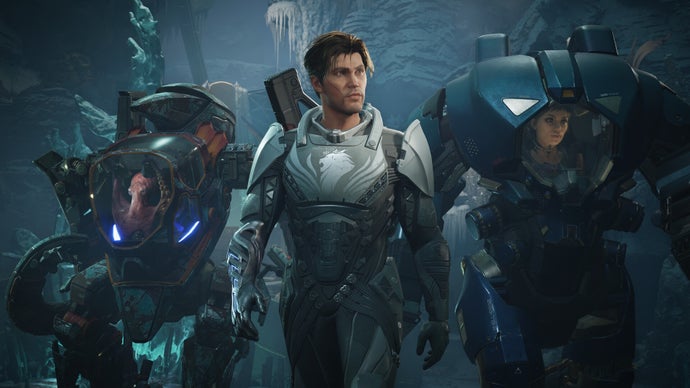
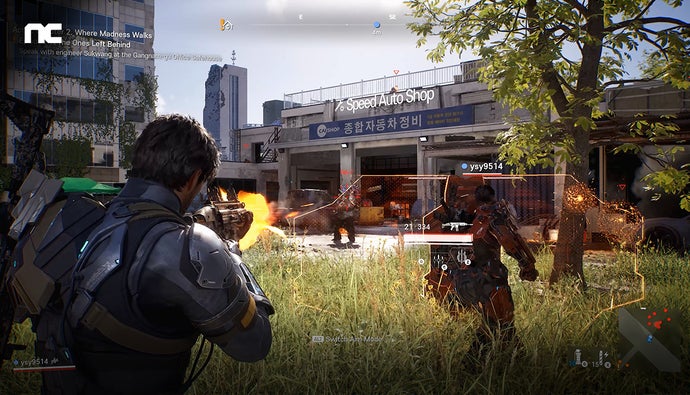
As Cinder City continues its development journey, observers remain cautious yet hopeful for its release. The unique setting of Seoul, even in a post-apocalyptic narrative, presents an exciting backdrop. However, the inconsistencies in weapon designs and character aesthetics may affect its reception.
In conclusion, Cinder City’s ambitious system requirements serve as a microcosm of larger issues facing the gaming industry today. The interplay between evolving game technologies, rising player expectations, and component shortages will continue to shape the landscape of PC gaming.