**The Excitement Surrounding Dune: Part Three: An Insight into the Anticipated Finale of Villeneuve’s Series**
The buzz generated by the trailer for *Dune: Part Three* has sparked considerable dialogue among fans and critics alike. As the concluding chapter of Denis Villeneuve’s cinematic rendering of Frank Herbert’s grand saga unfolds, there exists a tangible curiosity regarding the narrative trajectory it will pursue, especially as it deviates from the expected literary course.
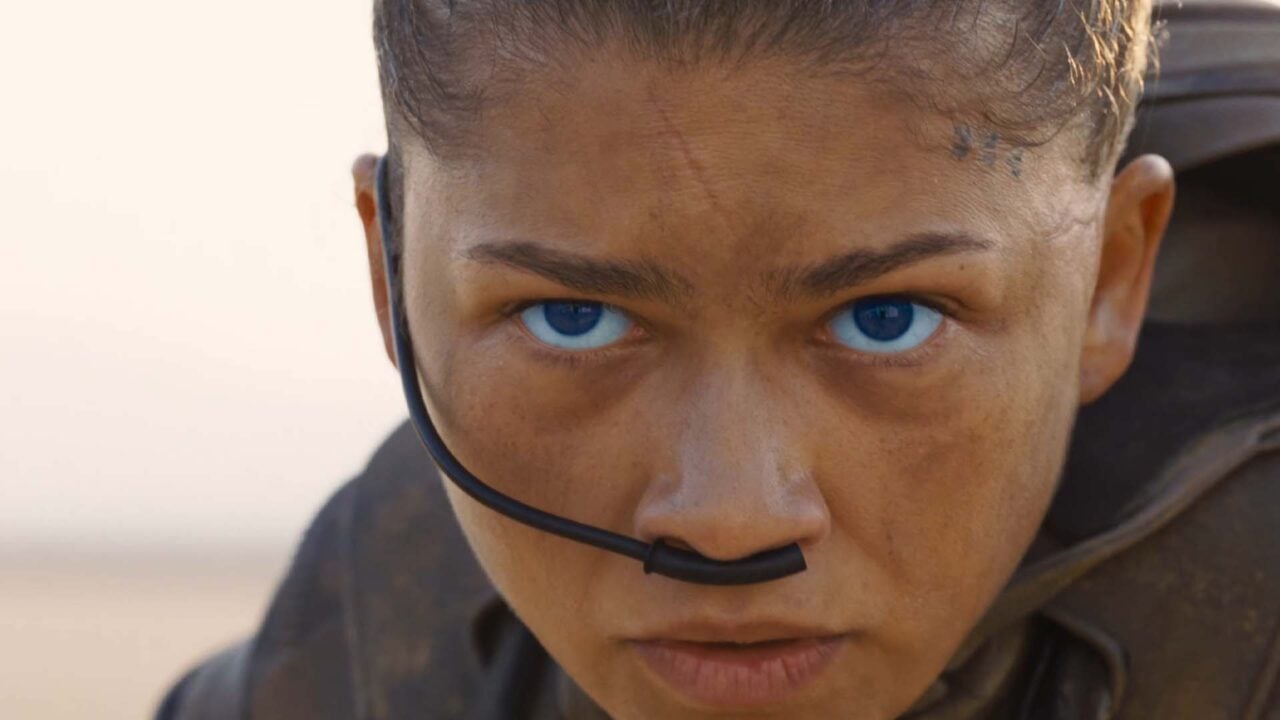
The trailer begins with a compelling reminder of the moral complexities surrounding Paul Atreides, played by Timothée Chalamet. A dramatic clash between Paul and Chani, portrayed by Zendaya, sets the atmosphere, revealing the repercussions of Paul’s choices from *Dune: Part Two*. At the film’s end, Paul’s actions—his betrayal of the Fremen’s faith by accepting the role of Emperor and his impending nuptials to Princess Irulan—act as pivotal moments that question his character’s integrity and intentions.
Set many years after Paul’s rise to power, *Dune: Part Three* illustrates the changes both he and the planet Arrakis have experienced. The reappearance of Duncan Idaho, played by Jason Momoa, stirs the interest of fans who remember his character’s fate in previous films. This revival suggests the inclusion of elements from *Dune: Messiah*, the sequel in Herbert’s series, fueling speculation about how extensively the film may explore Herbert’s intricate narrative dimensions.
Paul’s sister Alia, depicted by Anya Taylor-Joy, is introduced in a dramatically visual way within the trailer, indicating a role that is likely to be both intriguing and disconcerting. At the same time, Chani’s path has diverged considerably from the source material, prompting inquiries about her future in the narrative. The potential for an intense confrontation between her and Paul adds an alluring dimension to the story, as many viewers might welcome an alternate resolution that differs from Chani’s less favorable arc in the novels.
The omission of some of the more surreal events portrayed in *Dune: Messiah* and *Children of Dune* is significant, particularly with the introduction of gholas—a narrative device that Villeneuve seems prepared to investigate without completely embracing the eccentricities that define Herbert’s universe. As Paul appears fatigued and possibly even dry in the trailer, fans may ponder how profoundly Villeneuve will delve into the oddities that mark Herbert’s work.
The journey ahead for *Dune: Part Three* poses a distinct challenge for Villeneuve and his team. While the earlier films have adeptly captured the most captivating elements of Herbert’s tale, the complexity and philosophical depth of the text deepen beyond the initial book. Viewers eagerly anticipate how Villeneuve will tackle these challenges, presenting a film that resonates with audiences while remaining faithful to the core of the source material.
As the release date nears, fans of both the films and the novels stand at the crossroads of anticipation and concern, keen to discover how *Dune: Part Three* will wrap up Paul Atreides’ saga in a manner that honors the legacy of Frank Herbert’s creation while rendering it accessible to a contemporary audience.