Uncategorized

A Study of Steam Feedback for Slay The Spire 2
**Slay the Spire 2: An In-Depth Look at Community Perception and Gameplay**

At this moment, gamers have devoted an impressive 267 hours to *Slay the Spire 2*, a sequel that has attracted considerable attention since its release on Steam on March 5. This time commitment underscores the enthusiasm and loyalty of players who interact with the game on a daily basis. The sentiment surrounding this title, however, has been varied, as an examination of Steam reviews uncovers a clear difference based on different filtering criteria.

With filters for non-English languages and irrelevant reviews turned off, *Slay the Spire 2* enjoys an extraordinary 94% “Very Positive” review rating. Conversely, disabling these filters results in a much lower score of 56%, designated as “Mixed.” This disparity raises concerns regarding community perception and player experiences.

The mixed feedback arises from a number of controversies and instances of review-bombing that have taken place since the game’s launch. Several waves of review-bombing were associated with particular updates in the game, especially concerning the Doormaker Act 3 boss. Players voiced their discontent when the boss was initially strengthened, did not receive nerfs in later patches, and when the game’s credits featured the name of feminist media analyst Anita Sarkeesian, sparking backlash from certain factions of the community.

As of now, the Doormaker has been removed from the game, which has likely altered the views of numerous players. While some still contend that the game is excessively tough and share their grievances, a majority seem to value the gameplay and depth it provides. A handful of passionate community members have even contemplated making guides to help new players, fostering a more uplifting environment within the gaming community.

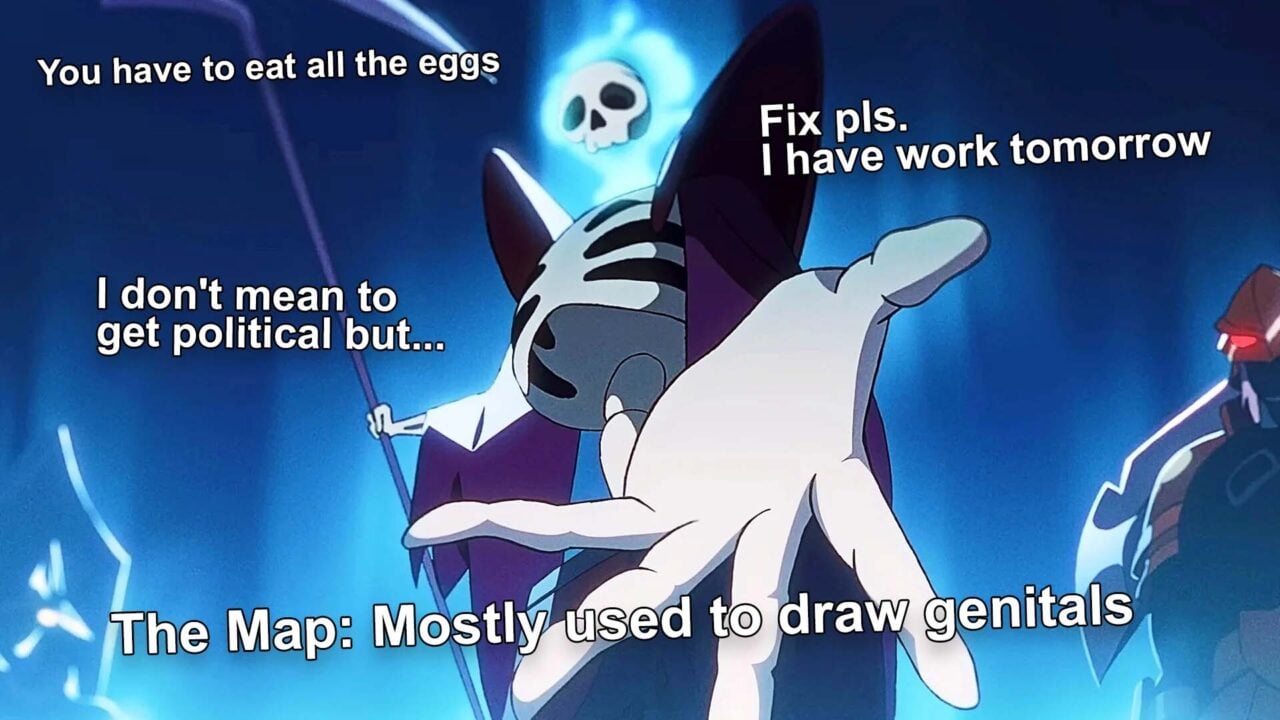
*Slay the Spire 2* has been characterized by players in numerous ways, with some unusual feedback echoing throughout Steam reviews. Descriptions vary from metaphors comparing the game to parental expectations (“*Slay the Spire 2 is a game that presents a platter of eggs and says ‘You have to eat all the eggs’*”) to remarks about intense focus (“*Started playing on Friday night, hyperfocused like crazy*”). Players discussed the game’s mechanics and highlighted both its absurdities and enticing aspects, creating a mix of humor and analysis.

Despite the review-bombing incidents, there remains a solid group of players who consistently enjoy the game, reflecting the polarizing yet lively community that surrounds it. The interactions between players and the feedback system demonstrate the dynamic essence of gaming culture, where passion often results in both commendation and critique.

As *Slay the Spire 2* continues to develop and updates redefine its gameplay experience, the question persists: will the majority’s affection for the game triumph over the waves of review manipulation? Only time will reveal the answer, but for the moment, *Slay the Spire 2* stands as a reflection of both the peaks and valleys of gamer engagement in contemporary times.
Uncategorized

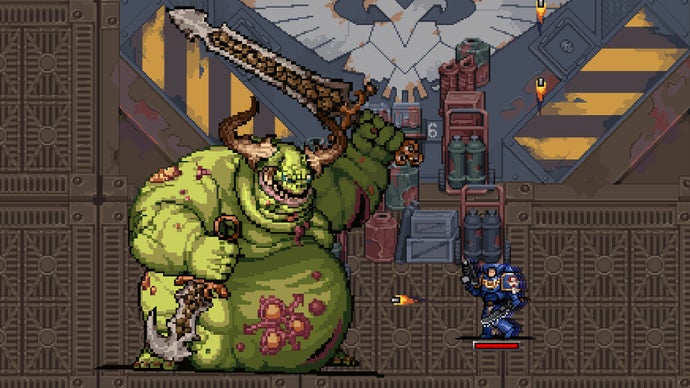
“Warhammer Survivors: A New Twist on Bullet Hell Featuring Allied Character Squads and Enhanced Battlefield Chaos”

Bullet heaven games can already be fairly chaotic. Starting with Vampire Survivors, it’s a genre that joyously fills your screen with thousands of enemies and tasks you with somehow killing them all before they reach your character in the centre. While Warhammer Survivors treads much of the same ground of Poncle’s original, there is a small mechanical twist at its centre that adds a meaningful extra drip of chaos to the action.

Rather than control a single character, as you pick up weapons, you assemble a small squad, all of whom act independently of you.

Read more

Uncategorized

Impressions from 4 Hours of Playtime in the Assassin’s Creed Black Flag Remake: Living Up to Expectations

**Assassin’s Creed Black Flag Resynced: An In-Depth Examination of the Imminent Remake**

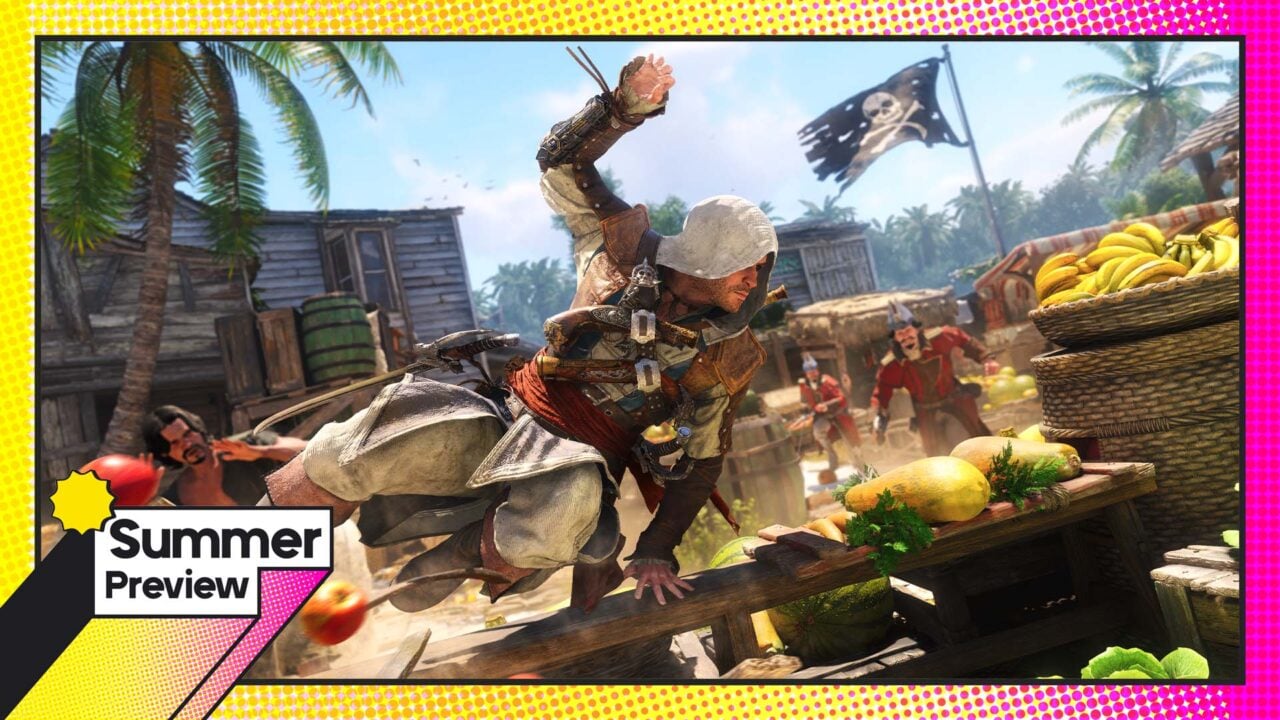
Following an exhilarating journey to San Francisco to preview “Assassin’s Creed Black Flag Resynced,” a highly anticipated remake of the legendary 2013 installment, I had the privilege of speaking with the game’s director, Paul Knight. The remake seeks to elevate the cherished pirate-themed adventure, often regarded by enthusiasts as the pinnacle of the series. Boasting breathtaking 4K graphics, a revival of social stealth elements, engaging swordplay, and epic naval battles, the remake seems to check all the right boxes. Our conversation delved into various facets, including the game’s content, its significance within the franchise’s lore, and the omission of downloadable content (DLC).

A curious inquiry I made to Knight was regarding the absence of a colon in the title, considering the original was called “Assassin’s Creed IV: Black Flag.” Knight jokingly explained that this decision was more a publishing matter than a developer’s call, illustrating that amusing naming conventions are collaboratively determined with the publishing team.

The endeavor commenced development in 2023, primarily at Ubisoft Singapore, a studio with historical connections to the original “Black Flag.” The development team aspired to craft a true remake rather than a simple remaster, constructing it from scratch with fresh assets and gameplay mechanics. Knight elaborated on the reasoning behind remaking “Black Flag,” mentioning its iconic character, captivating gameplay styles, and nostalgic Caribbean backdrop as primary motivations for selecting this title.

**Loyalty with Upgrades**

Upon revisiting the original game prior to experiencing the remake, I swiftly recognized its outdated visuals and cumbersome controls. In contrast, “Black Flag Resynced” presents notable advancements, including intricate water physics, improved lighting effects, and meticulously detailed character models. The initial hours of the remake closely replicate the original’s narrative, immersing players in Edward Kenway’s journey and setting the scene for the struggle between Assassins and Templars.

While the remake is anchored in its original narrative, it introduces enhancements in gameplay fluidity. Knight pointed out that the technology powering the remake is derived from the same engine utilized in “Assassin’s Creed Shadows,” resulting in smoother movement and climbing mechanics akin to the original game. This authenticity is underscored by the addition of a new crouch mechanic, which enables players to approach missions with increased stealth.

The remake approaches missions in a more lenient fashion. For example, during a “Trail this person” mission, I discovered that failing to remain hidden did not instantly terminate the mission. Instead, I had the opportunity to recover from my errors and proceed with the pursuit, offering a sense of agency that heightens the gameplay experience. The reimagined combat framework preserves the cinematic essence of the series, emphasizing counterattacks and finishers that resonate with the original “Black Flag” approach.

Naval combat also experiences a substantial enhancement, with advancements in destruction dynamics and visual fidelity. Players can anticipate deeper interactions with ship combat through new weapon options that enrich gameplay while remaining faithful to the thrilling experience that fans treasure.

**Thoughtful Modifications for Contemporary Gameplay**

Ubisoft is conscious of the modifications being implemented in “Resynced.” While certain features and mechanics draw from both previous and current titles, the intention is to honor the spirit of Edward Kenway’s gameplay. New elements, such as fast-travel to the player’s ship and altered weapon mechanics, have been carefully integrated to respect the legacy of the original.

The narrative is expanded with additional segments and character interactions, featuring more detailed stories for supporting characters like Adewale and Kenway’s spouse. The creative team underscores that these additions adhere to the original narrative themes of family and freedom. Importantly, no generative AI technologies were utilized in the game’s development, showcasing a dedication to genuine storytelling through human creativity.

Some new gameplay concepts, such as the capability to swim underwater and freely explore the oceans, were ideas originally intended for the original game but were not realized due to various constraints. The creative director, Paul Fu, expressed enthusiasm about finally incorporating these features in “Resynced.”

Set for release on July 9 for PS5, Xbox Series X/S, and PC, “Assassin’s Creed Black Flag Resynced” aims to deliver a visually captivating and mechanically refined experience, rekindling affection for one of the series’ most beloved entries while introducing modern enhancements that resonate with both newcomers and longtime fans alike.

Uncategorized

Final Update for Destiny 2 Scheduled for June Amid Reports of Significant Layoffs for Development Team

Bungie have announced that they are putting together the final update for Destiny 2, bringing to an end the live service shooters 12-year run. The game itself will continue to exist for players to replay the content that already exists but nothing new will be added.

Behind the announcement, as told to Bloomberg by their sources, is the news that Bungie face “significant” layoffs as soon as the update is out the door.

Read more

Uncategorized

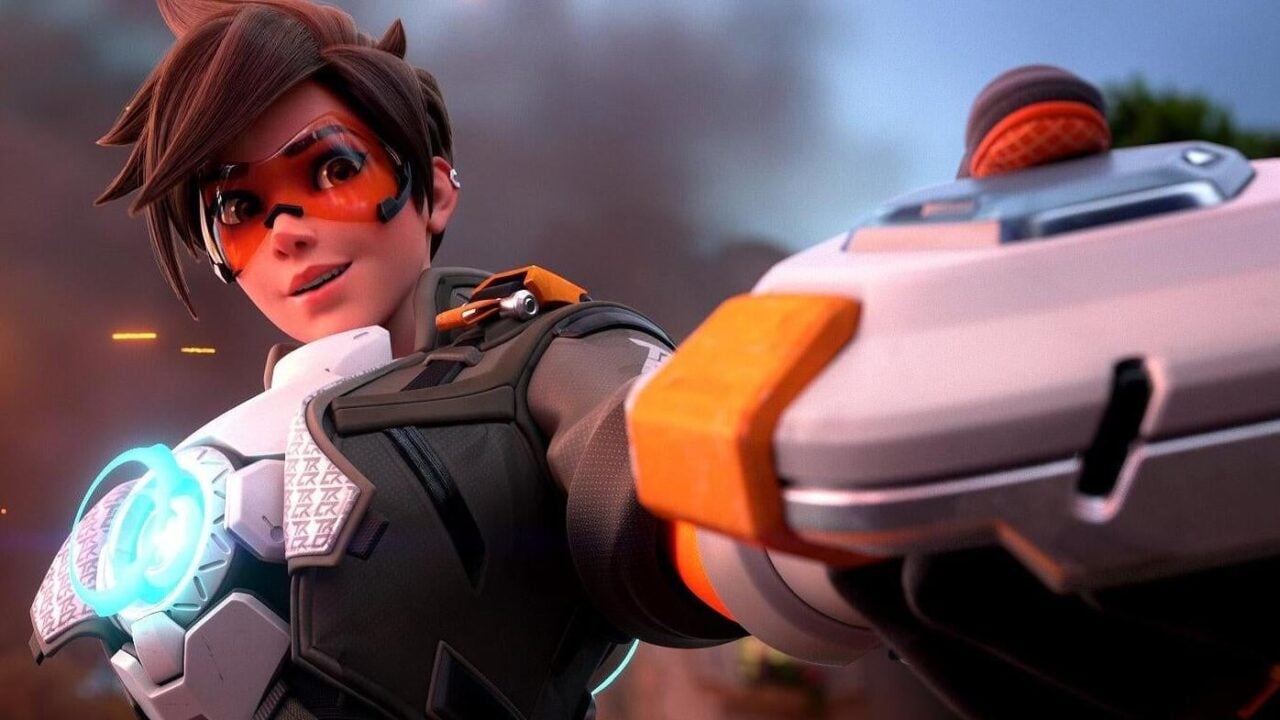
“Overwatch Directors Contemplate a Decade of Triumphs and Obstacles, Discussing the Effects of Competing Marvel Launches”

**Overwatch at 10: A Tenacious Journey through Success and Struggles**

In 2026, *Overwatch* stands out prominently amidst the remains of its rivals. Blizzard’s hero shooter has reached an important landmark, celebrating its ten-year anniversary highlighted by highs and lows seldom witnessed in the gaming world. Despite ongoing assertions that the game had weakened and was on the verge of being called “dead,” *Overwatch* has managed to not only endure but flourish, arguably entering its finest phase since its debut in 2016. This lasting success is particularly remarkable when considering the wave of imitation games sparked by its early achievements, many of which have since stumbled, resulting in closures and studio shutdowns.

The resurgence of *Overwatch* can be credited to Blizzard’s steadfast backing, even during turbulent times that could have halted lesser games. Aaron Keller, the game director, highlights this support, stating, “The question is like, what can we do to help *Overwatch* be more successful?” This attitude reflects a dedication to adapt and surmount challenges rather than retreat.

### Major Challenges and Tactical Evolutions

Throughout its decade-long path, *Overwatch* has faced numerous significant challenges. Players who’ve been loyal since the game’s beginning can remember occurrences like the prolonged content drought leading up to the launch of *Overwatch 2*, which featured no new heroes for over two years. The anticipation for the sequel was intensified by the letdown from its initial release, which lacked the promised flagship campaign. Ultimately, the cancellation of several planned PvE modes further stained the sequel’s standing, leading many inside Blizzard to question the future of the game.

Walter Kong, head of development for Blizzard’s live games and mobile sector, recognizes the struggles with the story mode, stating, “We wanted to polish up chapter one and release it to our players to get a signal of whether this content would be resonant or not,” underscoring how the tepid reception affected team morale at Blizzard.

Keller, reflecting on the turbulent year of 2021, shared how the lawsuit against Activision Blizzard, which charged a culture of harassment and discrimination, emerged as a “cultural reckoning.” This period of internal turmoil coincided with significant development hurdles for *Overwatch 2*. Confronted with ongoing negativity from the player community regarding the sequel’s offerings, Keller and his team ultimately opted to launch the PvP modes separately, enabling them to concentrate on player engagement.

### Insights Gained and Creative Developments

Amid the turmoil, Keller and Kong stress how these obstacles encouraged reflection and reassessment of what players seek from *Overwatch*. They observed a noticeable shift in philosophy towards crafting a game that resonates more widely with the audience. As they adjusted to pressures from competitors like *Marvel Rivals*, their strategy evolved, ultimately leading to groundbreaking features such as in-match skill trees and a more dynamic gameplay experience.

Curiously, *Overwatch* has spent a considerable amount of its existence transitioning between phases of stagnation and doubt. Now, with the decision to eliminate the “2” from its title, Blizzard intends to overhaul its storytelling method by introducing annual “expansion” moments and rolling out an impressive ten new heroes throughout 2026.

### Conclusion: A Decade of Persistence and Development

As an outlier in the live-service gaming realm, the longevity of *Overwatch* over ten years is attributable to Blizzard’s dedication to learning from its shortcomings and adapting to a constantly shifting player landscape. Despite the “dark cloud” of unfulfilled promises that lingers among certain players, the truth remains that *Overwatch* is not only still alive but thriving, offering a more structured and defined plan for the future.

Blizzard’s extensive history and financial capabilities have granted *Overwatch* the exceptional chance to persist where many others have faltered. For many in the gaming community, the perseverance of *Overwatch* symbolizes not just the survival of a game, but a case study in learning, adaptation, and the potential of regaining the trust of previously engaged players. As *Overwatch* approaches its second decade, the future may still hold possibilities for redemption and renewal.

Uncategorized

“The Mechanics of Dawn of War 4’s Excitable Dancing Mech and Its Power Management”

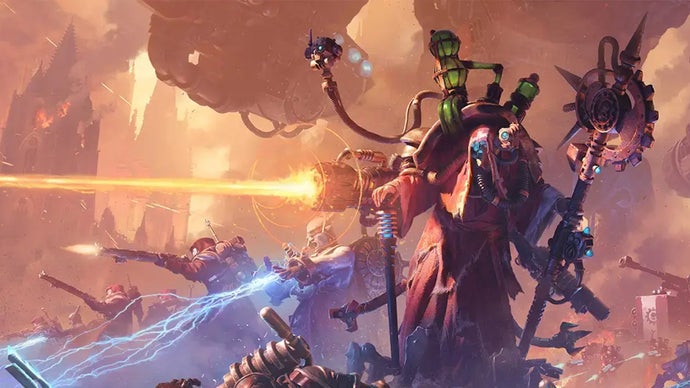
If you watch the Dawn of War 4 trailer showing off the Adeptus Mechanicus faction, you might have spotted a mech that’s practically dancing on the spot. The excitable little thing looks to be itching to get into the fight. It turns out, it’s not channeling the spirit of a warmongering puppy, it’s got to keep moving for very serious lore reasons.

“They can never stop,” Dawn of War 4’s creative director Jan Theysen tells me. “They’re always moving and always walking because the Adeptus Mechanicus fear that if they turn off, they might not be able to turn them on again. So they just keep them moving all the time.”

Read more